
 Business License
Limestone Powder Production: Complete Grinding Solutions from 200 Mesh to 1250 Mesh
A construction materials supplier in Southeast Asia signed a contract to provide limestone powder to three different customers: a flue gas desulfurization unit at a coal power plant requiring 325 mesh powder at 40 tons per day, a putty manufacturer needing 800 mesh ultra-fine powder at 5 tons per day, and an animal feed producer using 200 mesh coarse limestone grit at 15 tons per day. The supplier initially planned to buy three separate grinding lines — one for each grade. The resulting quotation exceeded their budget by roughly 60 percent.
Their equipment partner eventually proposed a single flexible grinding line with switchable classification and intermediate storage, which met all three specifications at roughly half the initial capital estimate. The difference between those two proposals was not the equipment quality — it was the planning approach.
Limestone powder production is not a one-size-fits-one-machine proposition. The right grinding solution depends entirely on the target product mix: which mesh sizes, at what volumes, to which quality standards. This article walks through the equipment options, production line configurations, and practical considerations that determine whether a limestone grinding operation delivers on its commercial promise.
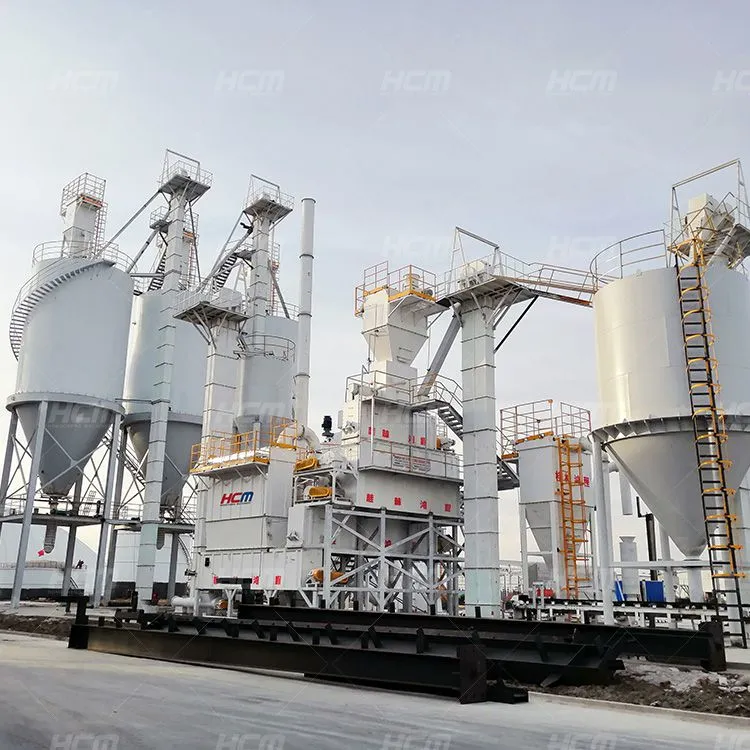
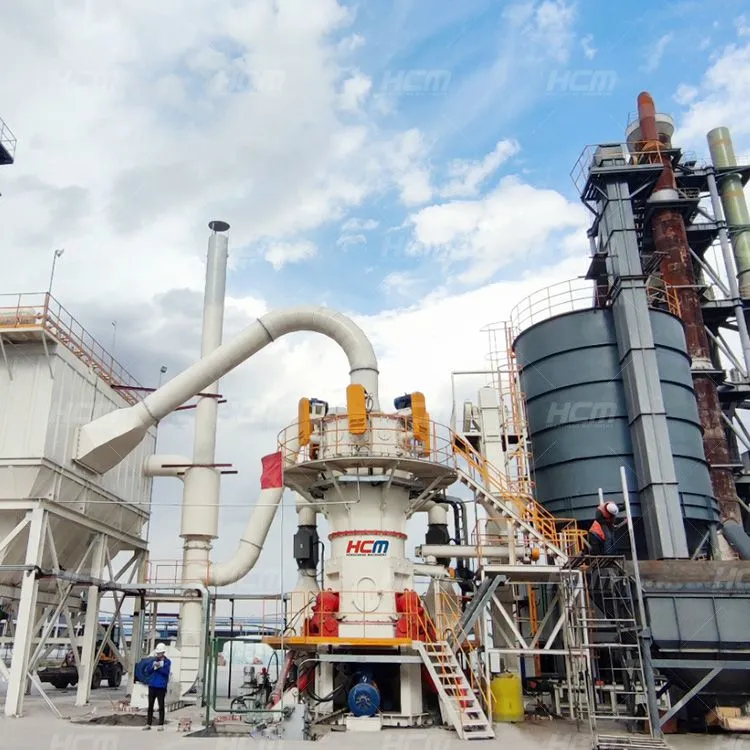
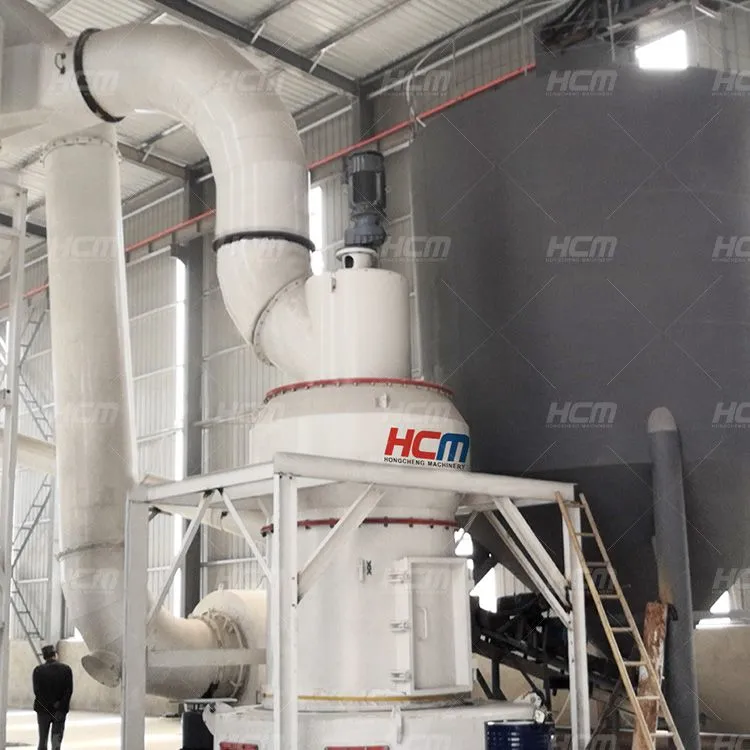
1. Limestone Powder: The Product Spectrum
Ground limestone powder spans a surprisingly wide range of particle sizes and serves industries that have almost nothing in common except calcium carbonate chemistry. Understanding this product spectrum is the first step in sizing the right grinding equipment.
| Product Grade | Mesh Range | Typical D97 (µm) | Primary Applications | Annual Market Volume (rough) |
|---|---|---|---|---|
| Coarse fillers | 80 – 200 mesh | 150 – 75 | Animal feed, agricultural lime, construction fill | Largest by tonnage |
| Medium industrial powders | 200 – 400 mesh | 75 – 38 | FGD sorbent, glass manufacturing, cement additives | High volume, moderate value |
| Fine industrial powders | 400 – 800 mesh | 38 – 18 | Paint fillers, rubber compounding, adhesives | Medium volume, higher value |
| Ultra-fine powders | 800 – 1250 mesh | 18 – 10 | High-end coatings, pharmaceutical excipients, specialty plastics | Lower volume, premium pricing |
| Super-fine / micronized | 1250 – 2500+ mesh | 10 – 5 | Advanced ceramics, nano-composites, optical applications | Niche, highest per-ton value |
The price per ton typically increases by a factor of roughly 3 to 5 as you move from coarse to ultra-fine grades, but the energy input per ton increases by roughly the same factor — sometimes more. A grinding line optimized for 325 mesh production will struggle to make 1250 mesh profitably, and vice versa. The equipment decision is fundamentally an economic optimization problem: matching the mill's most efficient operating range to the highest-revenue product in your market.
2. Equipment Selection by Target Grade
Different grinding technologies excel at different points on the limestone fineness spectrum. Selecting the wrong mill type for your target product grade is the single most common cause of underperforming limestone grinding operations.
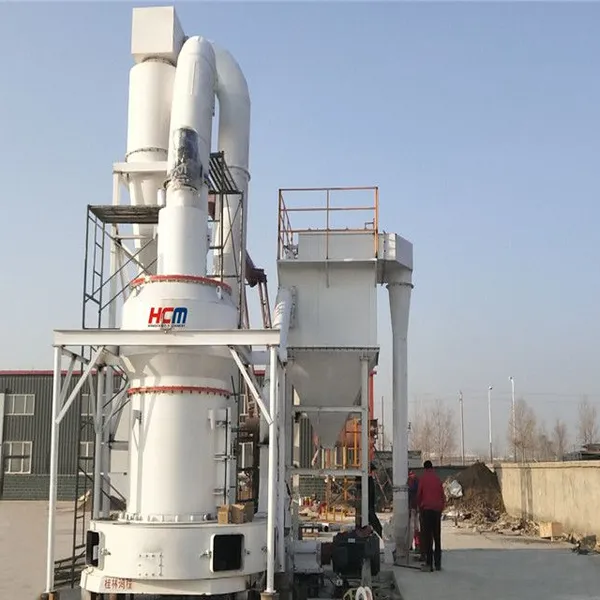
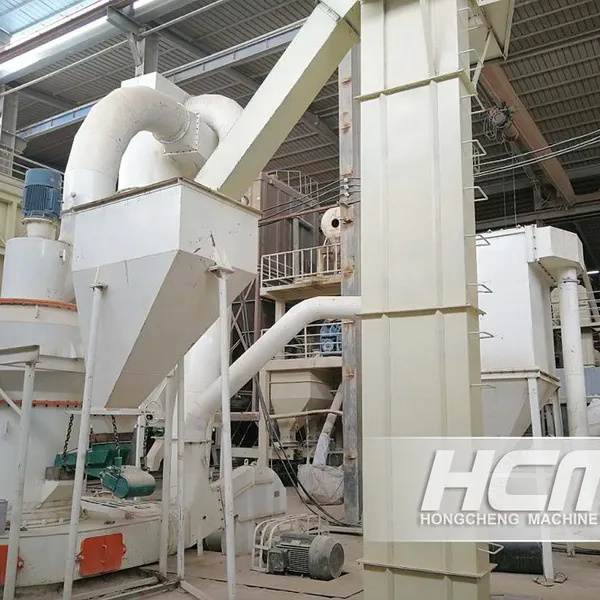
For coarse and medium grades — roughly 80 to 400 mesh — the Raymond mill remains a cost-effective workhorse. Its pendulum grinding mechanism produces consistent particle size distributions and, with a well-tuned classifier, can hold a tight cut point. A mid-sized HC series Raymond mill from Hongcheng will typically deliver 5 to 20 tons per hour at 200 to 325 mesh, with specific power consumption in the range of 25 to 35 kWh per ton. The lower equipment cost and simpler maintenance make the Raymond mill the default choice for operations where product value per ton is moderate and throughput is the primary economic driver.
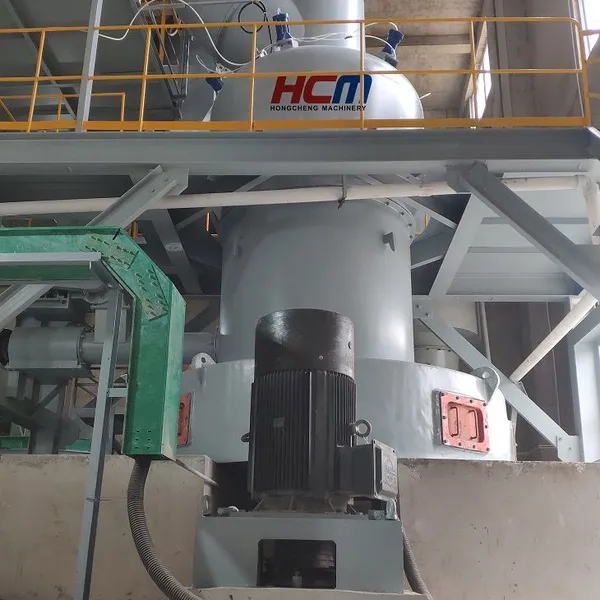
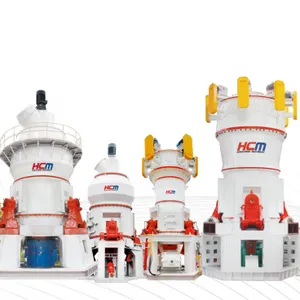
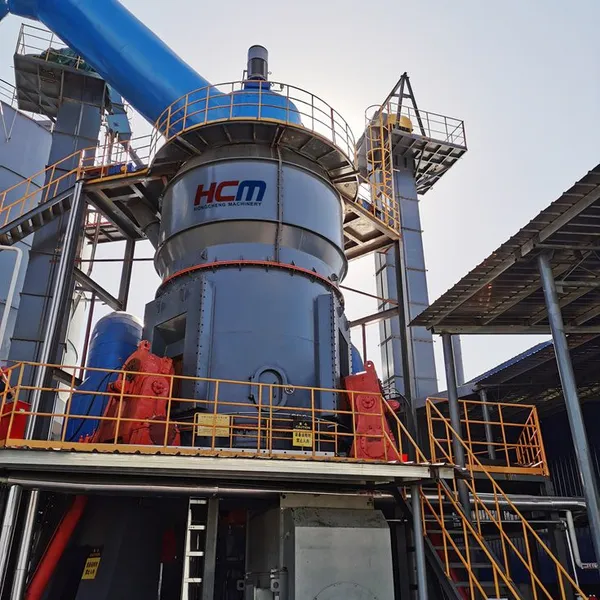
For medium-to-fine grades spanning 325 to 800 mesh, the vertical grinding mill takes over as the preferred technology. An HLM series vertical mill provides the higher grinding pressure and more precise dynamic classification needed to reach 400 mesh and above while maintaining throughput. A vertical mill grinding limestone to 400 mesh will typically consume 18 to 25 kWh per ton — roughly 25 to 30 percent less than a Raymond mill at the same specification. The ability to accept coarser feed — up to roughly 50 millimeters — and to dry moist limestone within the mill circuit also simplifies the upstream processing line.
For ultra-fine grades above 800 mesh, reaching into the 1250 mesh territory and beyond, the ultra-fine vertical mill becomes necessary. Hongcheng's HLMX series is designed specifically for this range, incorporating multi-stage classification and higher grinding pressures that produce D97 values down to roughly 10 microns. These machines trade some throughput for fineness: a unit that would produce 20 tons per hour at 325 mesh might produce 4 to 6 tons per hour at 1250 mesh. The specific power consumption rises accordingly, typically to 40 to 60 kWh per ton, which is why ultra-fine limestone commands a premium price.
3. Complete Production Line Layout
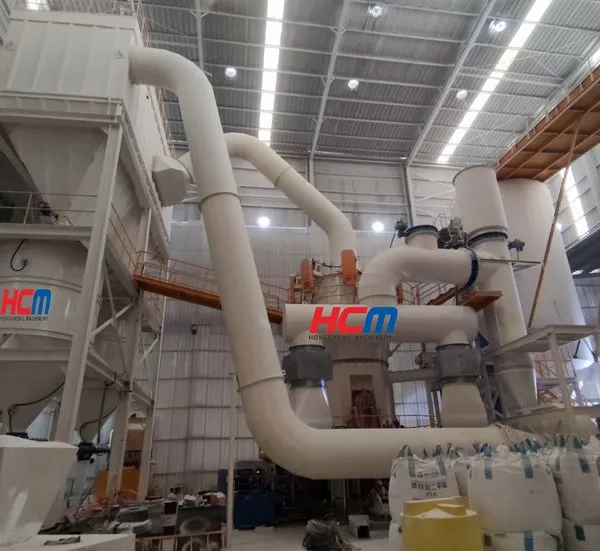
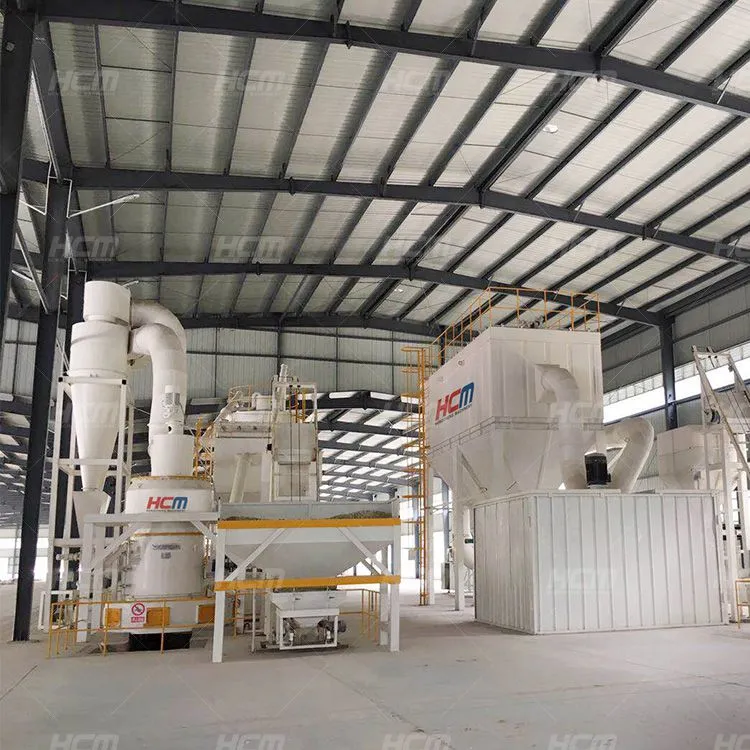
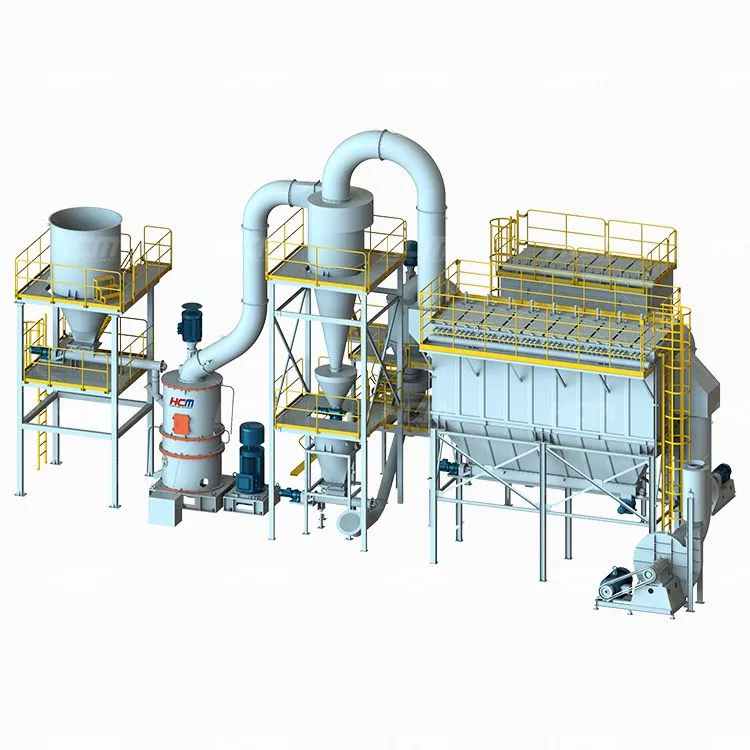
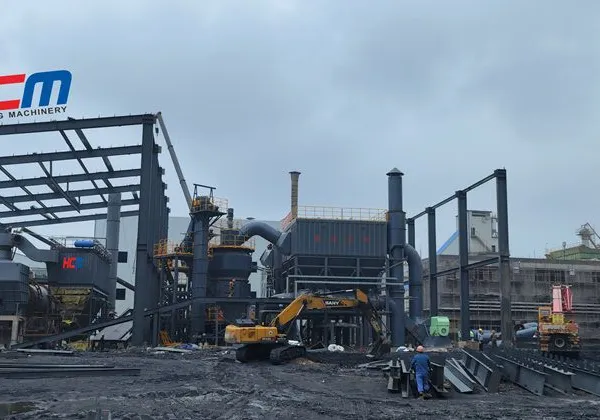
A limestone powder production line is more than the grinding mill at its center. It is an integrated system of upstream handling, grinding, classification, collection, and downstream storage equipment. The layout below traces the typical material flow for a medium-to-fine grinding line.
The process starts at the raw material reception point, where quarried limestone — typically in sizes ranging from roughly 10 to 80 millimeters — arrives by truck or conveyor. A jaw crusher or hammer crusher reduces oversized pieces to a consistent feed size appropriate for the mill. For a Raymond mill, this means crushing to below roughly 30 millimeters. For a vertical mill, the crusher may be optional if quarry-run material is already within the 50 to 80 millimeter tolerance.
From the crusher, material enters a storage hopper via bucket elevator. A metering screw or vibrating feeder controls the feed rate into the mill, which is the primary throughput control for the entire line. Inside the mill, grinding, drying, and primary classification happen simultaneously — the hot gas stream carries ground particles from the grinding zone upward into the classifier, which separates in-spec product from oversized returns.
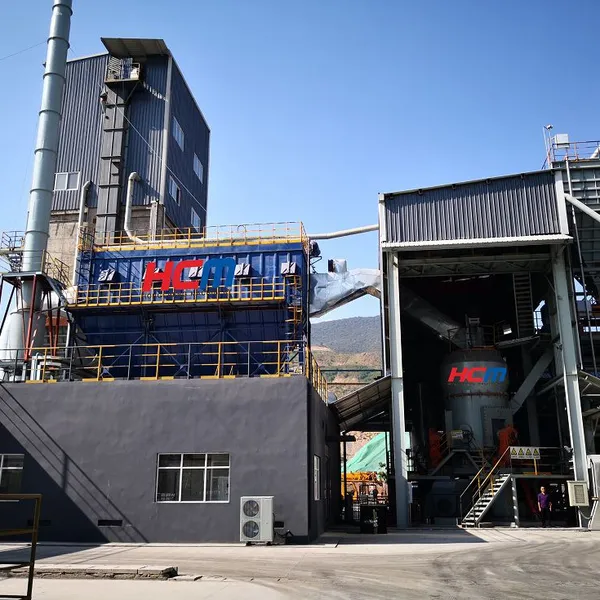
Product collection uses a pulse-jet bag filter or cyclone-and-bag combination. Modern lines favor high-efficiency bag filters that capture particles down to sub-micron sizes, achieving dust emission levels below 10 mg/Nm³ — compliant with environmental regulations in most jurisdictions. The collected powder is conveyed to product silos or direct bagging stations, while the cleaned exhaust gas is released through a stack.
For dual-grade or multi-grade production lines, intermediate surge bins between the mill and packaging allow grade changes without stopping the mill. The operator switches the classifier setting and product routing, purges the collection system briefly, and resumes production on the new grade within roughly 15 to 30 minutes.
4. Key Design Decisions for a Limestone Grinding Line
Beyond the choice of mill type, several design decisions have an outsized impact on the long-term performance and flexibility of a limestone powder production line.
The first is whether to include a pre-drying stage. Limestone as quarried can contain anywhere from 1 to 15 percent moisture depending on the deposit and weather conditions. A vertical mill with its integrated hot gas system can handle moisture up to roughly 15 percent without pre-drying. A Raymond mill works most effectively with feed moisture below roughly 8 percent.
If your limestone source is consistently wet and you choose a Raymond mill, budget for a rotary dryer upstream — adding roughly $50,000 to $120,000 in capital cost and 3 to 5 kWh per ton in operating energy.
The second is classification strategy. A single-stage dynamic classifier can handle a fineness range of roughly 200 to 400 mesh effectively. To span a wider range — say, producing both 325 mesh desulfurization powder and 800 mesh filler powder from the same line — consider a two-stage classification system or a modular classifier that can be swapped between coarse and fine configurations. This costs more upfront but avoids the inefficiency of running a mill far from its optimal grinding range.
The third is dust collection capacity. Limestone grinding generates substantial dust, and undersized collection systems are among the most common compliance failures. The bag filter should be sized for the maximum gas volume at the highest classifier speed and hottest gas temperature the mill will encounter, with a filtration velocity below roughly 1.0 meter per minute for woven bags or 0.8 meters per minute for felt bags. Guilin Hongcheng Mining Equipment Manufacturing typically specifies bag filters with a 20 to 30 percent margin above the maximum calculated gas flow to accommodate occasional surges and bag aging.
5. Whiteness, Purity, and Other Quality Metrics
For many limestone powder applications — particularly in paints, coatings, paper, and plastics — the chemical purity and whiteness of the product are as commercially important as the particle size. White limestone deposits with calcium carbonate content above 98 percent command a significant premium over gray or impure stone, and preserving that whiteness through the grinding process is a non-negotiable requirement for high-end applications.
The grinding process can introduce contaminants — primarily iron from mill wear components — that discolor the product and reduce its market value. For white filler-grade limestone, the mill's grinding rollers, table liners, and classifier components should be made from high-chromium alloys or ceramic composites that minimize iron contamination. HCM's engineering team has measured iron pickup of less than 0.02 percent in ceramic-lined vertical mills grinding white limestone, compared to 0.1 to 0.3 percent in standard alloy-lined mills — a difference that can move the product from filler-grade to coating-grade pricing.
Particle size distribution breadth also matters for specific applications. Desulfurization limestone for FGD systems tolerates a broad distribution — what matters is that most particles pass 325 mesh. But paper coating-grade limestone demands a steep, narrow distribution: D90/D10 below roughly 3.5, with minimal sub-micron fines that increase binder demand. The dynamic classifier on a vertical mill, with its variable-speed rotor, can typically achieve this steeper cut more reliably than the static or less-precise dynamic classifiers found on lower-cost grinding systems.
6. Case Study: Flexible Production for Three Markets
A limestone processing operation in northern Vietnam, commissioned in 2019, illustrates how thoughtful equipment selection enables a single line to serve multiple product grades profitably. The operation quarries a high-whiteness limestone deposit with calcium carbonate content consistently above 98.5 percent and processes roughly 60,000 tons annually.
The production line centers on an HLM 1700 vertical grinding mill from Guilin Hongcheng Mining Equipment Manufacturing, equipped with a variable-speed dynamic classifier and a two-stage product collection system. The mill was sized for 8 to 15 tons per hour at 325 mesh — its most efficient operating point — but the classifier and collection system were designed to switch between three product configurations: 200 mesh for agricultural lime, 325 mesh for FGD sorbent, and 800 mesh for paint-grade filler.
The switching process takes roughly 20 minutes: the operator adjusts the classifier speed from approximately 120 RPM (for 325 mesh) to roughly 240 RPM (for 800 mesh), switches the product routing valve to the appropriate silo, and runs the mill for about 5 minutes to purge the system of transitional material before directing flow to the product silo. The plant typically runs each grade in weekly production blocks to minimize changeover frequency.
At 325 mesh, the line produces roughly 10 to 12 tons per hour at a specific energy consumption of approximately 22 kWh per ton. At 800 mesh, throughput drops to roughly 4 to 5 tons per hour and energy rises to about 48 kWh per ton — but the product sells for roughly 3.5 times the per-ton price of 325 mesh powder. The plant manager reports that the 800 mesh production, despite accounting for only about 15 percent of total tonnage, generates roughly 35 percent of the operation's revenue.
A second, smaller operation in Indonesia provides a counterpoint. This plant processes a lower-whiteness limestone — roughly 94 to 96 percent calcium carbonate — exclusively for the local construction filler market at 200 to 325 mesh. The operation uses two HC series Raymond mills from Hongcheng, each delivering roughly 8 to 10 tons per hour. The total investment was approximately 40 percent less than a single vertical mill of equivalent total capacity.
With local electricity costs below $0.06 per kWh, the energy efficiency advantage of a vertical mill would have taken more than 7 years to recover the capital difference. For this market and product mix, the Raymond mill was the economically rational choice.
7. Frequently Asked Questions
7.1 What is the minimum viable production scale for a limestone grinding plant?
There is no single answer, but as a practical guideline, operations below roughly 10,000 tons per year of finished powder — roughly 2 to 3 tons per hour on a single shift — struggle to recover the capital cost of a complete grinding line within a reasonable timeframe. At this scale, a small Raymond mill with a simple cyclone collection system, operated on a single shift, can be profitable if the product sells at a reasonable margin. Below roughly 5,000 tons per year, toll grinding arrangements — paying an existing mill to process your limestone — may be more economic than building a dedicated line.
7.2 Can one limestone grinding line produce both coarse and ultra-fine powder?
Yes, but the wider the product range, the more important the classifier design becomes. A single dynamic classifier with a 5:1 speed range can cover roughly 200 to 800 mesh effectively. For 800 to 1250 mesh, a secondary classifier or a different classifier geometry — typically a cage-type rotor with higher tip speed — is required. Hongcheng's HLMX ultra-fine mills incorporate multi-rotor classifiers specifically for this purpose.
The trade-off is that running a mill at the extremes of its classifier range reduces grinding efficiency, so multi-grade plants often schedule production in blocks to minimize changeovers.
7.3 How much does limestone deposit quality affect grinding equipment choice?
Substantially. Abrasive silica or quartz inclusions in limestone can reduce roller and liner life by 50 to 70 percent compared to clean, high-purity stone. If your deposit contains more than roughly 2 to 3 percent free silica, you should budget for accelerated wear part replacement — and consider specifying ceramic or composite wear surfaces. Iron-rich limestone will discolor during grinding and may not be suitable for white filler applications regardless of the equipment, though magnetic separation after grinding can recover some product value at an added capital and operating cost of roughly $30,000 to $80,000 for the separation equipment.
7.4 What are the environmental compliance requirements for limestone grinding plants?
The primary regulatory concern is dust emissions. Most jurisdictions require particulate emissions below 20 to 30 mg/Nm³ from the main stack, though stricter regions in Europe and parts of North America enforce limits as low as 5 to 10 mg/Nm³. A properly sized bag filter with PTFE membrane bags can achieve single-digit emission levels.
Noise is a secondary concern: grinding mills typically produce 85 to 95 dB(A) at the operator position, and mills installed near residential areas may require acoustic enclosures that add roughly 10 to 15 percent to the equipment cost. Water consumption for dust suppression at transfer points is typically below 1 cubic meter per day.
7.5 How long does it take to commission a new limestone grinding line?
From equipment arrival on site to stable commercial production, a standard limestone grinding line typically takes 6 to 12 weeks. The timeline breaks down roughly as: foundation and civil works, 2 to 4 weeks; mechanical installation and alignment, 2 to 3 weeks; electrical and control system wiring, 1 to 2 weeks; cold commissioning and safety checks, 1 week; hot commissioning with material, 1 to 2 weeks. The company provides on-site commissioning supervision as part of the equipment supply, and operators typically reach full proficiency within roughly 2 to 4 weeks of supervised production.
Recently Posted
-
How to Buy an Industrial Grinding Mill: A Step-by-Step Procurement Guide
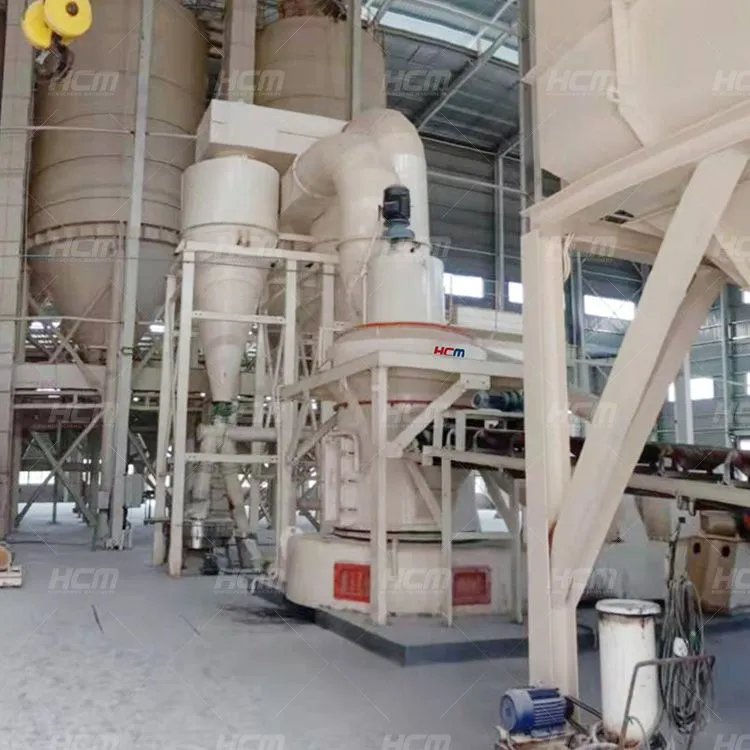
August 11, 2026In 2021, a mineral processing company in East Africa ordered a grinding mill from a supplier they had found through an online trad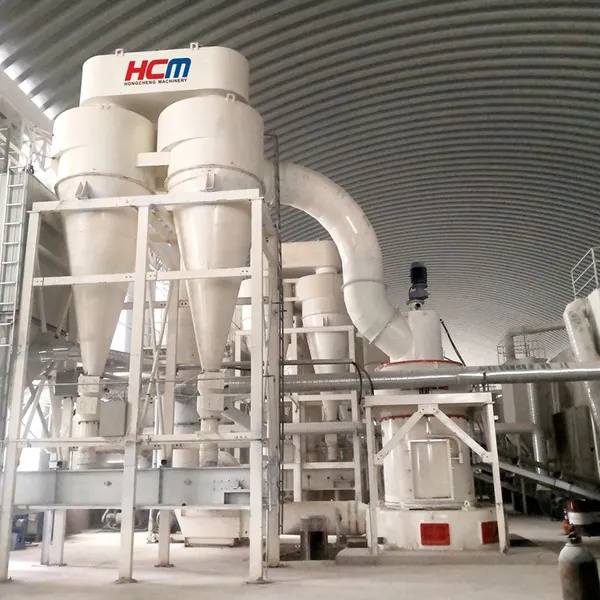 Read More
 -
Vertical Mill vs Raymond Mill: Which Grinding Solution Fits Your Production Line
August 10, 2026A calcium carbonate plant in the Middle East ran two identical production lines for three years — one equipped with a vertical gri
Read More -
What Is a Vertical Grinding Mill: Working Principle and Key Components Explained
August 7, 2026In 2019, a limestone processing plant in Southeast Asia purchased what they believed was the right grinding equipment for their ne Read More
 -
Why HC Series Pendulum Mill Solves Severe Vibration Issues of Traditional Raymond Mill
June 10, 2026HCM HC series pendulum mill optimizes traditional Raymond mill structure, cast integrated base, balanced rotary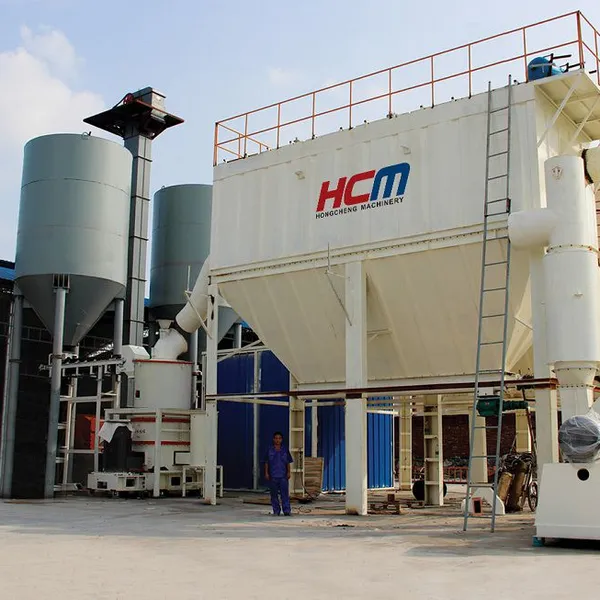 Read More

Contact Us
Recommended Products
-
 HCM Ultrafine Vertical Roller Mill Produces 1250 Mesh Ultrafine Calcium Carbonate PowderNegotiableMOQ: 1 Combo
 -
China HCM Manufacturer HLM2000 Vertical Coal Mill - 200 Mesh, 28 Ton/HourNegotiableMOQ: 1 Combo
-
10 TPH 180 Mesh Coal Grinding Mill | HC1500 Open Circuit Raymond Mill for Power PlantNegotiableMOQ: 1 Combo
-
HCM China HLM1700 Large Vertical Roller Mill for Water Slag Grinding | 325 Mesh 99% Passing Rate, 10-15t/h OutputNegotiableMOQ: 1 Combo
-
HCM 1850 Raymond Mill for Petroleum Coke | 6 TPH @200 Mesh, 30% Less Power ConsumptionNegotiableMOQ: 1 Combo
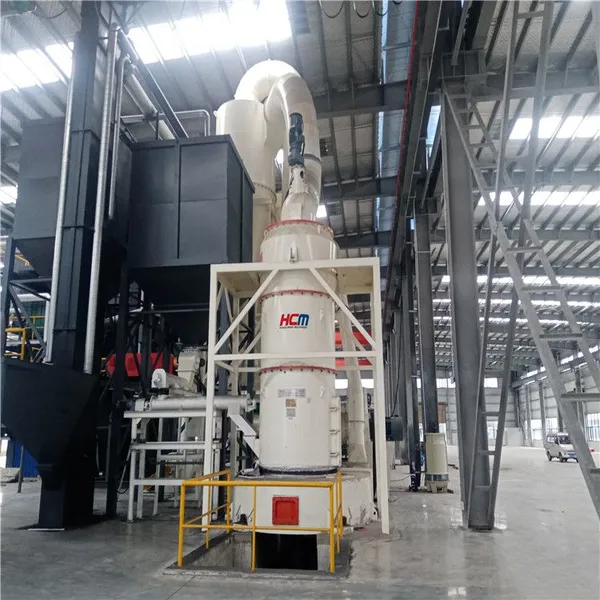
-
Low Maintenance Cost China Raymond Mill, Versatile Raymond Roller Mill For Various Non-Metallic OresNegotiableMOQ: 1 Combo
-
Large Industrial Stone Mills - Industrial Powder Grinding Machine | High Efficiency Low Energy Consumption Mill Industrial for Mineral ProcessingNegotiableMOQ: 1 Combo
-
HCM Mill Roller Machine Raymond Roller Mill Roller Mill Equipments 20t/h Limestone Grinder to 200 MeshNegotiableMOQ: 1 Combo
-
HCM HLMX Ultrafine Vertical Mill | 700,000 TPY High-Grade Calcium Carbonate Production LineNegotiableMOQ: 1 Combo
-
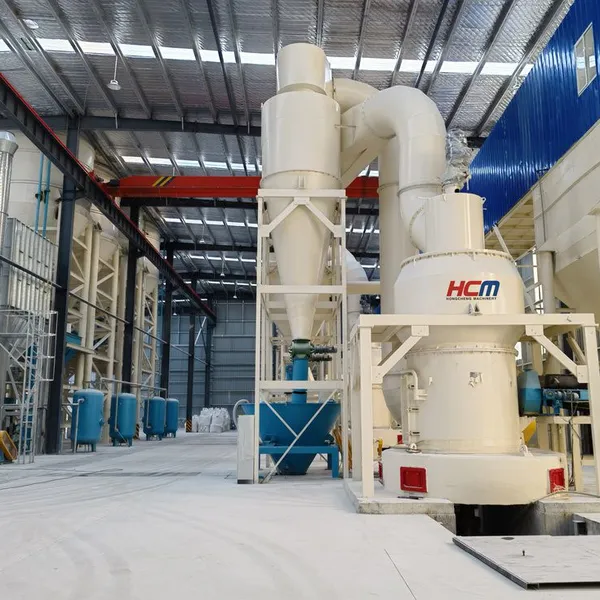
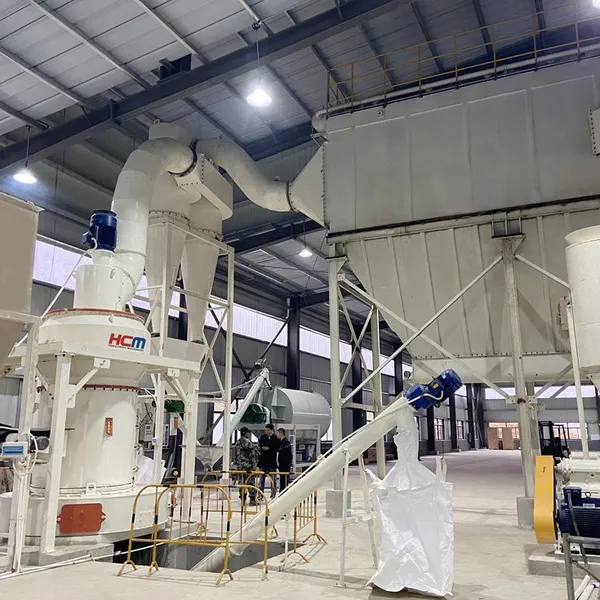
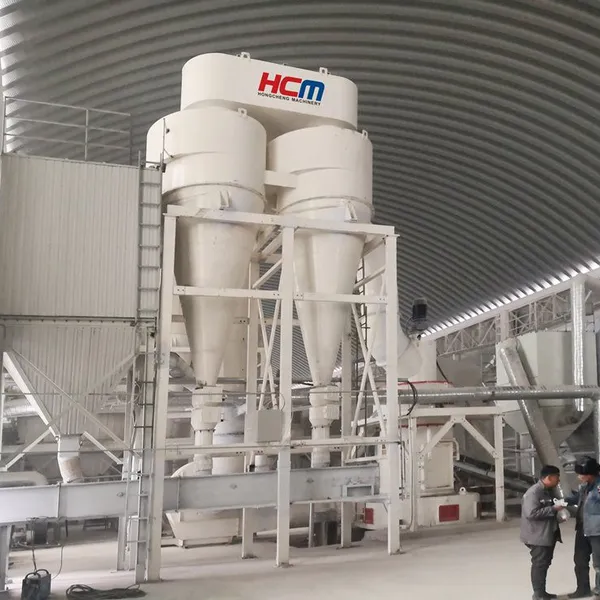
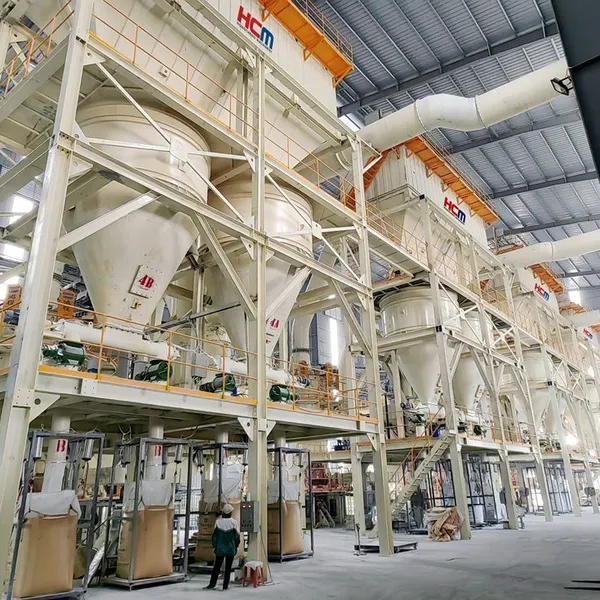
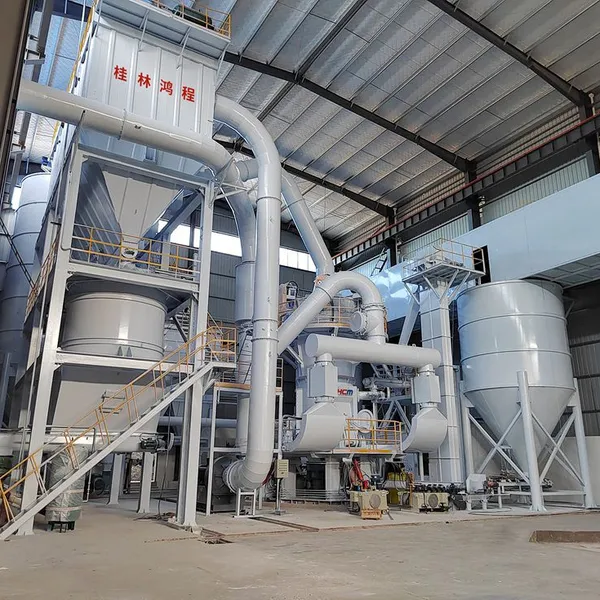
The HCM Limestone Ultrafine Powder Processing Equipment, the HLMX Ultrafine Vertical Mill, Can Efficiently Produce Ultrafine Limestone Powder.NegotiableMOQ: 1 Combo
-
China HCM Bentonite Ore Raymond Pulverizer, Professional Ceramic Grade 200 Mesh Bentonite Powder Making Machine, 20 Ton Per Hour Grinding CapacityNegotiableMOQ: 1 Combo
-
6t/h High Output Fluorite Ore Grinder HCM HCH Ring Roller Mill 325 Mesh D95 Fineness Industrial PulverizerNegotiableMOQ: 1 Combo
-
High Efficiency HCM Vertical Mill Bauxite Grinding Plant 44 Ton Per HourNegotiableMOQ: 1 Combo
-
Customized Lepidolite Grinding Production Line 30TPH Vertical Roller Mill for Battery Grade Lithium Mineral ProcessingNegotiableMOQ: 1 Combo
-
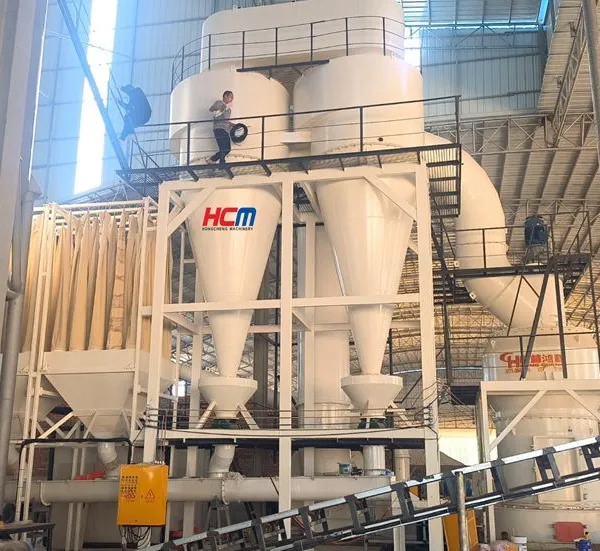
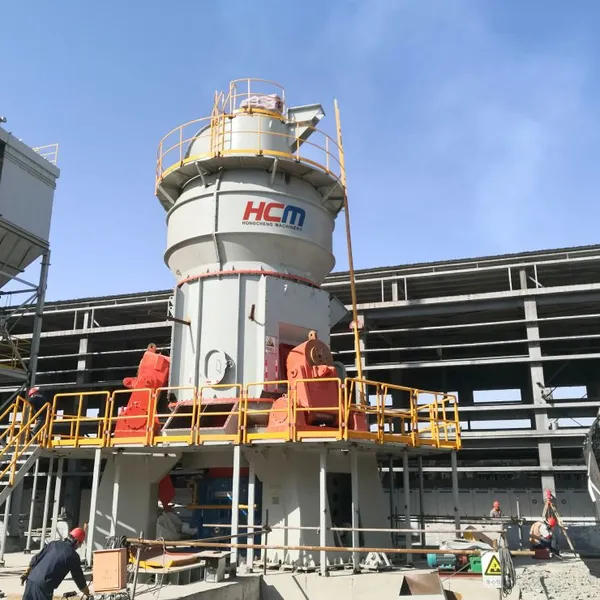
HCM S95-grade Blast Furnace Slag Grinding Mill, Achieving a Fineness of 430 Specific Surface Area With a Production Capacity of 40 T/hNegotiableMOQ: 1 Combo
-
HCM Ultrafine Vertical Mill,ultrafine Powder Vertical Mill for Artificial Stone Production LineNegotiableMOQ: 1 Combo
-
Industrial Dolomite Raymond Mill HCM 1300 Energy Saving Fine Grinding Machine for Building Material Filler PowderNegotiableMOQ: 1 Combo
-
HCM Titanium Dioxide Grinding Equipment Manufacturer | 80-3000 Mesh FinenessNegotiableMOQ: 1 Combo
-
HCM Calcined Vanadium Titanium Slag Ultrafine Grinding Equipment | HLM Vertical Mill | 20 TPH CapacityNegotiableMOQ: 1 Combo
-
Bauxite Fine Processing Machine for Refractory/Ceramic/Abrasive | 325-2500 Mesh Powder Making PlantNegotiableMOQ: 1 Combo