
 Business License
What Is a Vertical Grinding Mill: Working Principle and Key Components Explained
In 2019, a limestone processing plant in Southeast Asia purchased what they believed was the right grinding equipment for their new production line. The supplier had promised adequate throughput at a competitive price. Six months after installation, the mill was delivering roughly 30 percent less output than required, consuming nearly 40 percent more electricity than projected, and wearing through grinding rollers at twice the expected rate. The root cause was not a defective machine — it was a mismatch between the application and the mill type.
They had bought a traditional pendulum mill for a job that demanded a vertical grinding mill architecture capable of sustained high-volume operation. The replacement cost, including downtime, exceeded $180,000.
This kind of expensive mismatch happens more often than most plant managers would like to admit. The starting point for avoiding it is understanding exactly what a vertical grinding mill is, how it works, and what makes its component architecture fundamentally different from other grinding technologies. This article breaks down the working principle, key components, operating parameters, and typical applications of the vertical grinding mill — so that when you sit across the table from a supplier, you know which questions matter.
1. What Is a Vertical Grinding Mill
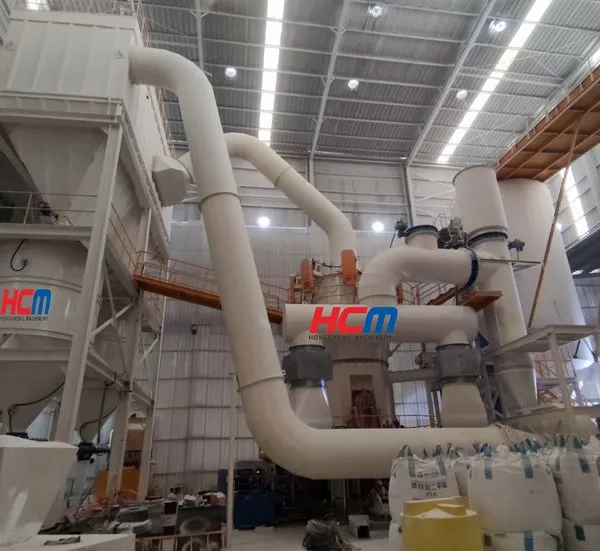
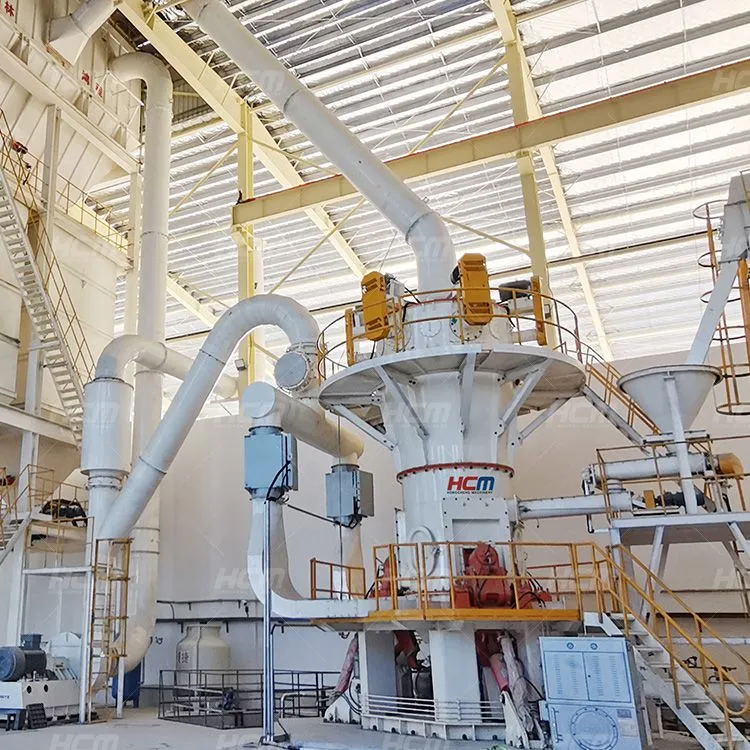
A vertical grinding mill is an industrial-scale machine that reduces the particle size of solid materials — typically ores, minerals, or industrial by-products — through a combination of compressive and shear forces applied between a rotating grinding table and a set of stationary or hydraulically-loaded grinding rollers. The defining feature is the vertical orientation of the mill body and material flow path: feedstock enters from the top or side, is fed onto a horizontally rotating grinding table, is crushed under the rollers, and is carried upward by a stream of hot gas to an integrated classifier, which separates fine product from coarse material for regrinding.
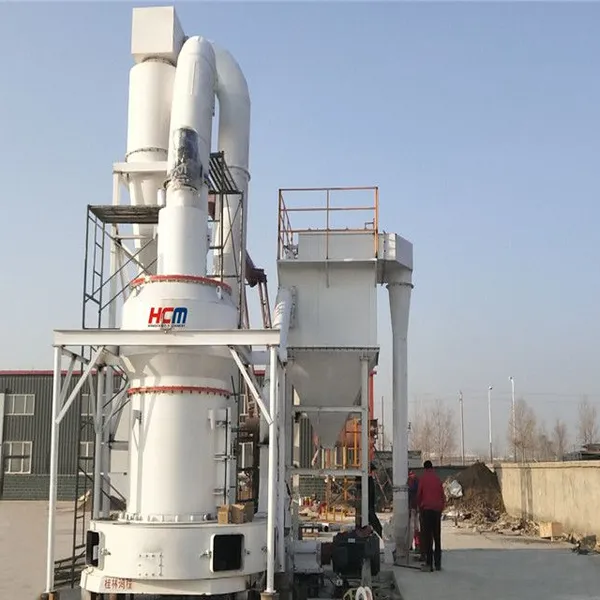
This vertical architecture distinguishes the machine from horizontal ball mills, where a rotating drum tumbles grinding media against the material, and from pendulum-style Raymond mills, where a central shaft drives suspended rollers that swing outward against a stationary grinding ring. The vertical format packs a substantial grinding surface area into a relatively compact footprint — a mid-sized vertical grinding mill with a table diameter of roughly 1.8 meters can often match the throughput of a ball mill occupying three to four times the floor space.
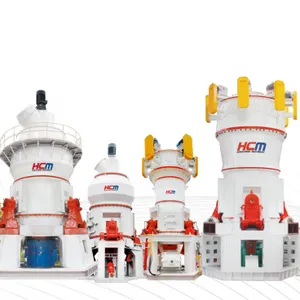
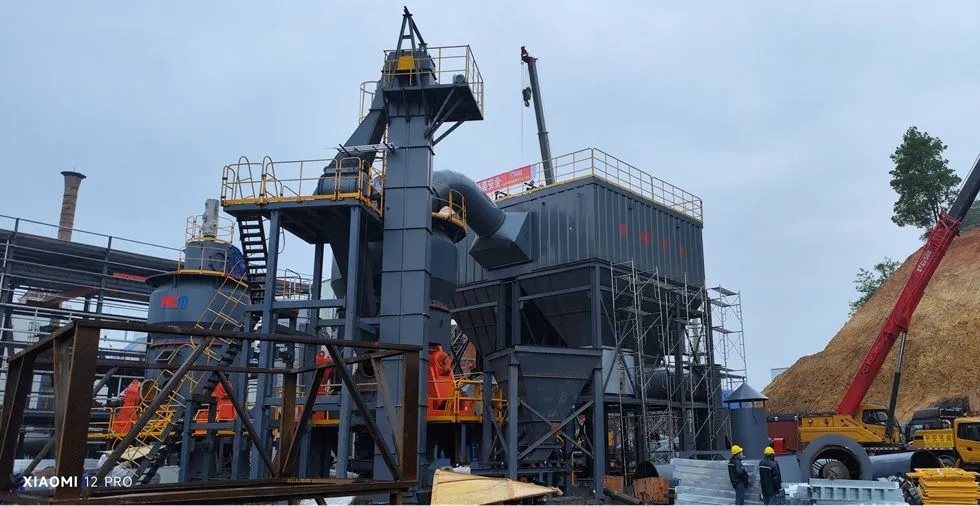
At Guilin Hongcheng Mining Equipment Manufacturing Co., Ltd., vertical grinding mills are manufactured under the HLM series designation, with models spanning from laboratory-scale units producing several hundred kilograms per hour to large industrial systems capable of processing over 50 tons of feedstock per hour. These machines have been deployed across roughly 50 countries for applications ranging from limestone and calcite grinding to coal pulverization and slag processing.
2. The Physics Behind Vertical Grinding
The grinding action inside a vertical mill relies on three distinct physical mechanisms working in sequence. First, as the grinding table rotates at a controlled speed — typically between 20 and 35 revolutions per minute for mid-sized units — the feedstock is distributed evenly across its surface by centrifugal force and guided under the rollers by a feed chute and retention ring.
Second, the grinding rollers, which are hydraulically pressed against the table with a force that can range from roughly 40 to 200 kilonewtons depending on the machine size, compress the material bed. The pressure is high enough to fracture individual particles through a combination of inter-particle crushing and direct roller-to-particle contact. Unlike a ball mill, where impact dominates, the vertical grinding mill relies primarily on compressive stress — roughly 70 to 80 percent of the size reduction comes from compression, with the remainder from shear as the rollers slide slightly relative to the table surface.
Third, the partially ground material overflows the retention ring at the table edge and is caught by an upward-flowing gas stream — typically hot air at temperatures between 200 and 350 degrees Celsius. This gas serves a dual purpose: it lifts the particles into the classifier section above the grinding zone, and it simultaneously dries the material if moisture content is a concern. The integrated drying capability means that in many cases, a vertical mill can accept feedstock with moisture levels up to roughly 15 percent without requiring a separate pre-drying stage.
3. Key Components of a Vertical Grinding Mill
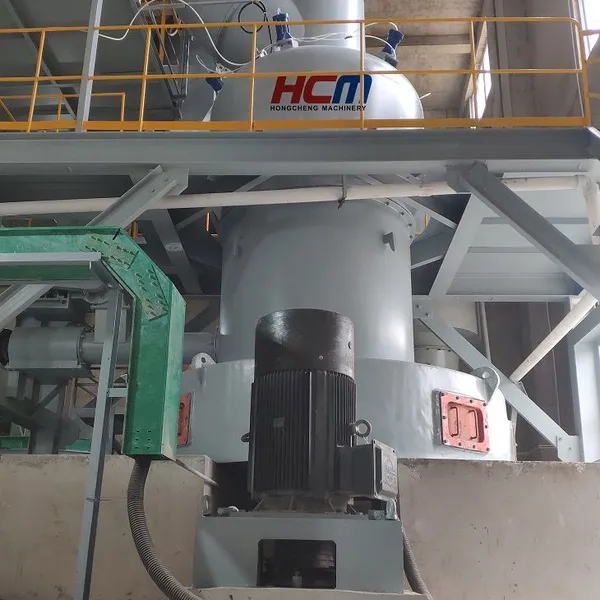
A vertical grinding mill is not a single monolithic device but an integrated system of components, each with a specific function. The table below summarizes the core components, their roles, and typical material specifications.
| Component | Function | Typical Material | Replacement Cycle (rough) |
|---|---|---|---|
| Grinding table | Rotating horizontal platform that supports the material bed; equipped with replaceable wear-resistant liners | Ni-hard cast iron, high-chromium alloy, or composite ceramic-metal plates | 8,000 – 15,000 operating hours |
| Grinding rollers (2-6 per mill) | Apply compressive force to crush material against the table; hydraulically loaded with adjustable pressure | High-chrome white iron, segmented tire-type or conical design | 6,000 – 12,000 operating hours |
| Hydraulic loading system | Maintains consistent grinding pressure; absorbs shock from tramp material; allows roller lift during start-up | Hydraulic cylinders with nitrogen accumulators | System life: 15+ years with seal maintenance |
| Dynamic classifier | Separates fine product from coarse returns by centrifugal and aerodynamic classification; controls product fineness | Wear-resistant steel blades on a variable-speed rotor | Blade replacement: 10,000 – 20,000 hours |
| Hot gas inlet / nozzle ring | Directs high-velocity gas around the table perimeter to lift ground material into the classifier | Heat-resistant steel, often with ceramic lining in abrasive applications | 3 – 5 years depending on gas temperature and material abrasiveness |
| Gearbox / drive system | Transmits motor torque to the grinding table; typically a planetary or bevel-helical design | Case-hardened alloy steel gears | Designed for 100,000+ hour service life with proper lubrication |
| Mill housing / body | Encloses the grinding and classification zones; maintains gas flow and contains noise and dust | Structural steel with internal wear liners | Structural life: 25+ years |
The drive system deserves particular attention because it has evolved significantly over the past decade. Older vertical mills typically used a bevel gear set driven by a horizontal motor, which introduced mechanical losses of roughly 5 to 8 percent through the gear train. Modern designs increasingly adopt bevel-planetary gearboxes or, in some configurations, direct-drive systems using low-speed permanent magnet motors that reduce transmission losses to below 3 percent.
4. Material Flow Path Through the Mill
Understanding the material journey through a vertical grinding mill helps clarify why the machine achieves high efficiency. The flow can be traced through five distinct stages.
Feedstock enters through a rotary airlock or feed chute at the top of the mill and drops onto the center of the rotating grinding table. Centrifugal force immediately begins spreading it outward. As the material moves toward the table perimeter, it passes under the first grinding roller, then the second, and so on — each roller applying roughly the same pressure and removing progressively smaller size fractions.
At the table edge, the material encounters the nozzle ring — a circular gap through which hot gas enters at velocities between roughly 40 and 80 meters per second. This gas stream performs what engineers call "internal air classification": it lifts particles that have reached a sufficiently small size upward into the classifier, while larger particles — typically above 2 to 5 millimeters — fall through the nozzle ring into the reject chute and are returned to the table inlet by an external bucket elevator or internal recirculation system.
Inside the dynamic classifier, a rotor spinning at adjustable speeds — anywhere from roughly 50 to 300 RPM depending on the target product fineness — subjects the gas-borne particles to centrifugal classification. Particles smaller than the cut size pass through and exit with the gas stream to the product collection system, while oversized particles are thrown outward and fall back to the grinding table for further size reduction. This closed-circuit design means the residence time of a given particle inside the mill can be as short as roughly 2 to 4 minutes, yet the material may pass through the grinding zone multiple times before reaching the target fineness.
5. Types of Vertical Grinding Mills
Not all vertical grinding mills are built for the same purpose. The industry recognizes several distinct categories based on target product fineness and application domain.
Standard vertical mills — such as Hongcheng's HLM series — are designed for producing powders in the 200 to 400 mesh range (roughly 75 to 38 microns D90). These are the workhorses of the mineral processing industry, handling materials like limestone, calcite, dolomite, barite, and coal at throughputs from several tons to over 50 tons per hour. They balance throughput, energy efficiency, and product consistency for medium-fineness applications.
Ultra-fine vertical mills — like the HLMX series — push fineness into the 600 to 2,500 mesh range (roughly 20 to 5 microns D97). These machines incorporate secondary classification, multi-rotor dynamic separators, and sometimes staged grinding with smaller rollers designed for high-contact-pressure operation. They serve industries where micron-level particle size control is critical: high-end coatings, advanced ceramics, pharmaceutical-grade calcium carbonate, and specialty fillers.
There are also specialized vertical mills for very specific feedstocks. Slag grinding vertical mills, for example, are built with particularly robust wear protection — slag's angular, glassy particles are notoriously abrasive — and typically operate with higher grinding pressures and lower table speeds than mineral-grinding equivalents. Coal pulverizing vertical mills add explosion-proof design features, including pressure relief panels and inert gas blanking systems, to handle the combustible dust hazard.
6. Critical Operating Parameters
Plant operators and procurement teams evaluating a vertical grinding mill need to focus on a handful of parameters that directly determine whether the machine will meet production targets. The table below presents the key parameters and their typical ranges for a mid-size mineral grinding mill.
| Parameter | Typical Range (Mid-Size) | Impact on Performance |
|---|---|---|
| Table diameter | 1.2 m – 2.8 m (HLM 17–HLM 29) | Determines grinding area and throughput ceiling |
| Number of rollers | 2 – 4 (standard), up to 6 (large models) | More rollers = higher grinding capacity per revolution |
| Grinding pressure | 40 – 200 kN per roller | Higher pressure improves fine grinding but increases wear rate |
| Table speed | 20 – 35 RPM | Too fast: material thrown off before grinding; too slow: insufficient centrifugal distribution |
| Classifier rotor speed | 50 – 300 RPM (variable) | Primary control for product fineness; higher speed = finer cut |
| Gas flow rate | 40 – 80 m/s at nozzle ring | Determines lifting efficiency and internal recirculation rate |
| Feed moisture tolerance | Up to roughly 15% (with hot gas drying) | Exceeding this without pre-drying causes table instability and uneven grinding |
| Product fineness range | 200 – 400 mesh (standard); up to 2,500 mesh (ultra-fine) | Directly tied to classifier speed and grinding pressure settings |
One parameter that procurement teams often overlook is the turndown ratio — the range over which the mill can operate below its rated capacity while maintaining stable grinding conditions. A well-designed vertical grinding mill can typically operate between roughly 50 and 100 percent of its rated throughput without compromising product quality, which gives plant operators flexibility during periods of reduced demand or feedstock variability.
7. Applications Across Mineral Processing Industries
The versatility of the vertical grinding mill architecture makes it applicable across a surprisingly broad range of mineral processing operations. The most common applications involve industrial minerals where consistent particle size distribution and moderate-to-high throughput are the primary requirements.
Limestone grinding for flue gas desulfurization in coal-fired power plants represents one of the largest single application segments. A single power station may require 20 to 50 tons per hour of limestone powder ground to roughly 325 mesh (44 microns), and the vertical mill's combination of grinding, drying, and classification in a single machine makes it the preferred choice over separate grinding and drying systems.
In the construction materials sector, vertical mills grind cement raw meal, clinker, and slag — materials that are particularly abrasive and require robust wear protection. A slag grinding vertical mill operating on granulated blast furnace slag can typically achieve product fineness of 4,200 to 4,800 cm²/g Blaine at throughputs of 30 to 90 tons per hour, depending on the mill size. For calcium carbonate production serving the paper, paint, and plastics industries, vertical mills with integrated classifiers produce powders with D97 values from roughly 10 to 45 microns, achieving whiteness levels suitable for high-end filler applications.
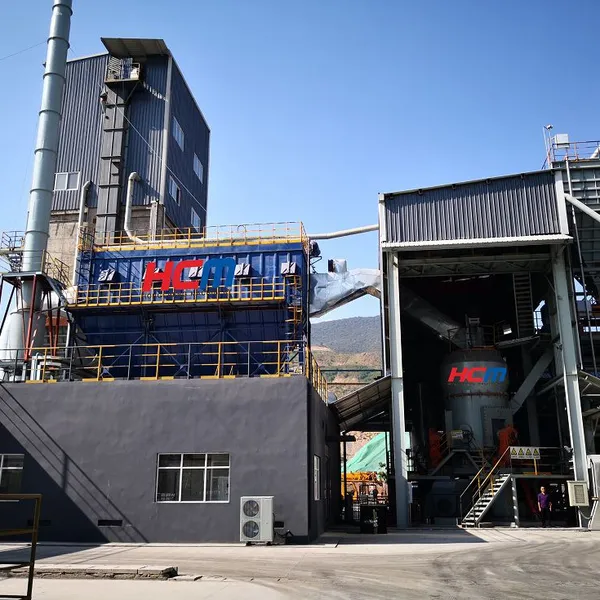
HCM has deployed its HLM-series vertical grinding mills in over 50 countries, with installations processing materials as diverse as coal for industrial boilers in Vietnam, limestone for desulfurization in Turkey, and dolomite for glass manufacturing in Brazil. Across these applications, the vertical architecture's inherent energy advantage becomes clear: typical specific power consumption for a vertical mill grinding limestone to 325 mesh falls in the range of 18 to 28 kWh per ton, compared to 30 to 45 kWh per ton for a ball mill performing the same task.
8. How a Vertical Mill Differs from a Raymond Mill
Since both vertical mills and Raymond mills (pendulum grinding mills) appear in the same product lineups and are often considered for similar applications, the distinction between them merits clarification. The fundamental difference lies in the grinding mechanism and material handling architecture.
A Raymond mill uses a set of grinding rollers suspended from a central rotating shaft. Centrifugal force throws the rollers outward against a stationary grinding ring, and the material is crushed between the roller and the ring. Ground material is carried upward by airflow to a classifier, but the air path is typically less integrated with the grinding zone than in a vertical mill. A vertical grinding mill, by contrast, uses a rotating table with relatively stationary rollers pressed against it hydraulically, and the upward gas flow is integral to both classification and material circulation.
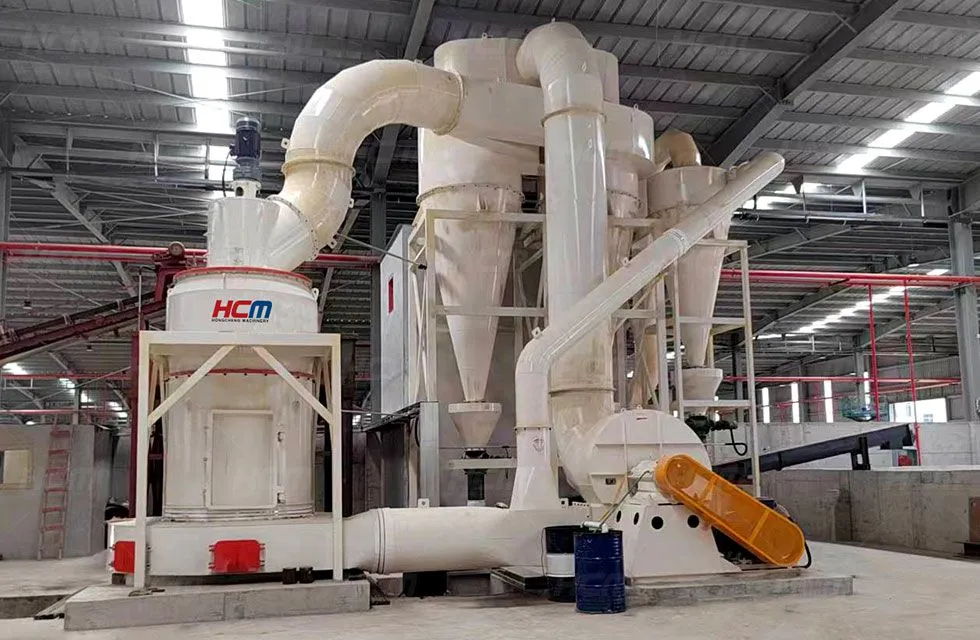
In practical terms, this translates to throughput differences. For the same installed motor power, a vertical grinding mill can typically deliver roughly 20 to 30 percent higher throughput than a comparable Raymond mill when processing medium-hard materials like limestone. The vertical design also handles coarser feed — a vertical mill can typically accept feed sizes up to roughly 50 to 80 millimeters, whereas a Raymond mill works best with feed below roughly 30 to 40 millimeters. However, the Raymond mill often costs less upfront and can be the right choice for operations where throughput requirements are moderate — say, below 10 tons per hour — and product fineness does not need to go below 200 mesh.
9. Common Misunderstandings About Vertical Grinding Mills
Several persistent misconceptions about vertical grinding mills lead to suboptimal procurement decisions. One is the belief that vertical mills are inherently more expensive to maintain than horizontal mills. While individual wear part replacements — particularly grinding rollers and table liners — do carry a per-unit cost, the longer service intervals and simpler overall mechanical layout of a vertical mill often produce a lower total maintenance cost per ton of material processed. Hongcheng's experience with HLM installations consistently shows that when calculated over a five-year operating horizon, vertical mill maintenance expenditure per ton typically falls below that of horizontal alternatives.
Another misunderstanding concerns product quality. Some engineers assume that the compressive grinding mechanism of a vertical mill produces a narrower particle size distribution than the impact-and-abrasion mechanism of a ball mill. In reality, the integrated dynamic classifier in a vertical mill gives the operator direct control over the cut point, and with proper classifier tuning, vertical mills routinely achieve steep particle size distribution curves with D90/D10 ratios below 3.0 — comparable to or better than ball mill output.
10. Frequently Asked Questions
10.1 What is the typical lifespan of grinding rollers in a vertical mill?
Grinding roller service life depends heavily on the material being processed. For relatively soft materials like limestone and calcite, rollers made from high-chromium cast iron typically last between 8,000 and 15,000 operating hours — roughly 1.5 to 3 years of single-shift operation — before requiring replacement or resurfacing. For abrasive materials such as quartz sand or slag, this can drop to roughly 4,000 to 8,000 hours. Guilin Hongcheng Mining Equipment Manufacturing supplies rollers with segmented tire designs that allow partial replacement — when the outer segments wear, only those sections need swapping rather than the entire roller assembly, which reduces both part cost and downtime.
10.2 Can a vertical grinding mill handle wet feed materials?
Yes, which is one of its key advantages. The hot gas system integrated into the mill can simultaneously grind and dry materials with moisture content up to roughly 15 percent — and in some configurations with extended drying chambers, up to 20 percent. The hot gas, typically sourced from a burner or waste heat recovery system at 200 to 350 degrees Celsius, evaporates moisture as it lifts the ground particles through the classifier. This eliminates the need for a separate pre-drying stage, saving both capital expenditure and operational complexity.
10.3 How does a vertical mill compare to a ball mill in terms of energy consumption?
A vertical grinding mill typically consumes 30 to 40 percent less electrical energy per ton of product compared to a ball mill for the same application. The efficiency gain comes from several factors: the compressive grinding mechanism is inherently more energy-efficient than impact grinding, the integrated classification minimizes overgrinding, and the absence of a large rotating drum reduces mechanical friction losses. For a plant processing 200,000 tons of limestone per year to 325 mesh, switching from a ball mill to a vertical mill could reduce annual electricity costs by roughly $60,000 to $120,000 depending on local power rates.
10.4 What maintenance does a vertical grinding mill require?
Routine maintenance includes daily checks of hydraulic system pressure and oil levels, weekly inspection of roller and table liner wear patterns, and monthly verification of classifier blade condition and gas duct integrity. Major maintenance events — roller replacement, table liner change, classifier rotor rebuild — occur at intervals determined by operating hours and material abrasiveness, typically every 8,000 to 15,000 hours for soft materials and more frequently for abrasive applications. The company recommends maintaining an on-site inventory of critical spare parts: one set of rollers, a set of table liner segments, classifier blades, and hydraulic seals, which covers roughly 90 percent of unplanned downtime scenarios.
10.5 What size vertical grinding mill do I need for my plant?
Mill sizing depends primarily on required throughput (tons per hour), target product fineness, and feed material characteristics — particularly its Bond Work Index and abrasiveness. As a rough guideline, a mill with a 1.5-meter table diameter (like the HLM 17) typically delivers 5 to 15 tons per hour of limestone ground to 325 mesh, while a mill with a 2.4-meter table (around HLM 24) can reach 20 to 40 tons per hour for the same application. Guilin Hongcheng Mining Equipment Manufacturing Co., Ltd. provides test grinding services where prospective buyers can send a material sample and receive both a grindability analysis and a specific mill sizing recommendation based on actual test data rather than assumptions.
Recently Posted
-
Why HC Series Pendulum Mill Solves Severe Vibration Issues of Traditional Raymond Mill
June 10, 2026HCM HC series pendulum mill optimizes traditional Raymond mill structure, cast integrated base, balanced rotary Read More
 -
Solve Ceramic Crack & Glaze Precipitation: HCM Mill Produces Standard Qualified Bentonite Powder
June 4, 2026Unqualified bentonite powder causes ceramic blank cracks and glaze precipitation. HCM bentonite Raymond mill stably Read More
 -
HCM Vertical Mill: Bauxite Grinding to 325 Mesh for Petroleum Industry
March 20, 2026Introduction: Bauxite & Its Critical Role in Modern Industries Bauxite, also referred to as alumina ore, is a vit Read More
 -
Lime Slag Grinding Machine: Turn Industrial Waste into Valuable Recyclable Resources
March 19, 2026Lime slag is a prevalent industrial solid waste generated across the entire lime production and application lifecycle Read More

Contact Us
Recommended Products
-
 HCM Ultrafine Vertical Roller Mill Produces 1250 Mesh Ultrafine Calcium Carbonate PowderNegotiableMOQ: 1 Combo
 -
China HCM Manufacturer HLM2000 Vertical Coal Mill - 200 Mesh, 28 Ton/HourNegotiableMOQ: 1 Combo
-
10 TPH 180 Mesh Coal Grinding Mill | HC1500 Open Circuit Raymond Mill for Power PlantNegotiableMOQ: 1 Combo
-
HCM China HLM1700 Large Vertical Roller Mill for Water Slag Grinding | 325 Mesh 99% Passing Rate, 10-15t/h OutputNegotiableMOQ: 1 Combo
-
HCM 1850 Raymond Mill for Petroleum Coke | 6 TPH @200 Mesh, 30% Less Power ConsumptionNegotiableMOQ: 1 Combo
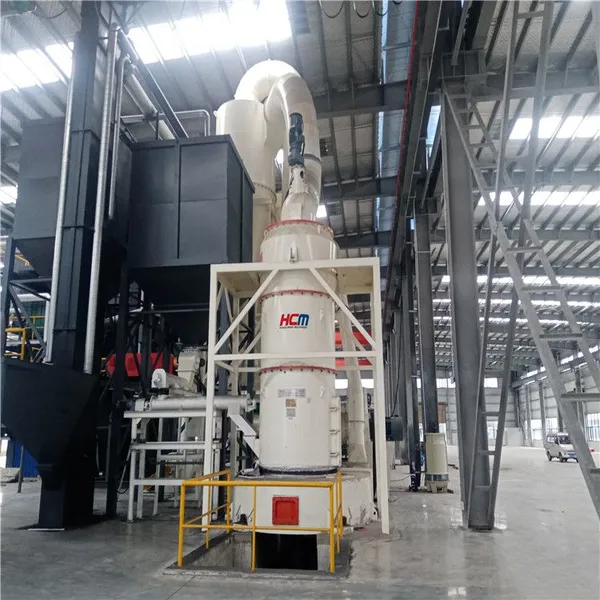
-
Low Maintenance Cost China Raymond Mill, Versatile Raymond Roller Mill For Various Non-Metallic OresNegotiableMOQ: 1 Combo
-
Large Industrial Stone Mills - Industrial Powder Grinding Machine | High Efficiency Low Energy Consumption Mill Industrial for Mineral ProcessingNegotiableMOQ: 1 Combo
-
HCM Mill Roller Machine Raymond Roller Mill Roller Mill Equipments 20t/h Limestone Grinder to 200 MeshNegotiableMOQ: 1 Combo
-
HCM HLMX Ultrafine Vertical Mill | 700,000 TPY High-Grade Calcium Carbonate Production LineNegotiableMOQ: 1 Combo
-
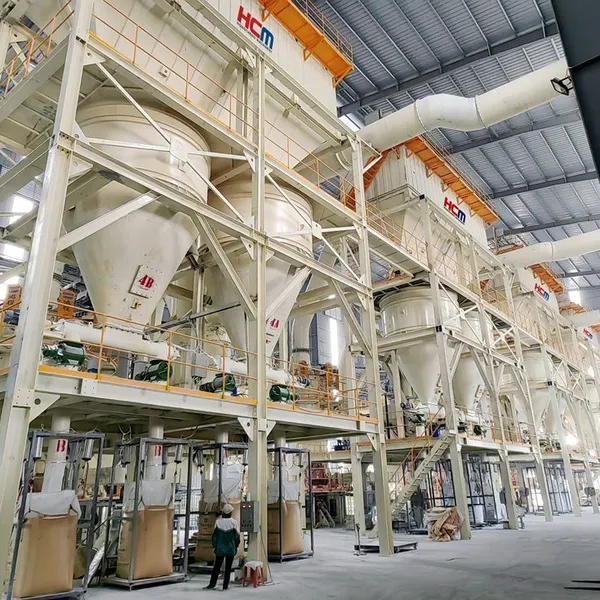
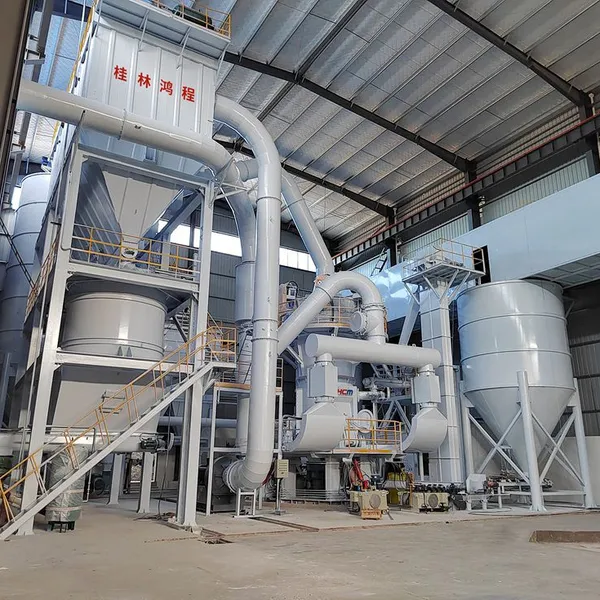
The HCM Limestone Ultrafine Powder Processing Equipment, the HLMX Ultrafine Vertical Mill, Can Efficiently Produce Ultrafine Limestone Powder.NegotiableMOQ: 1 Combo
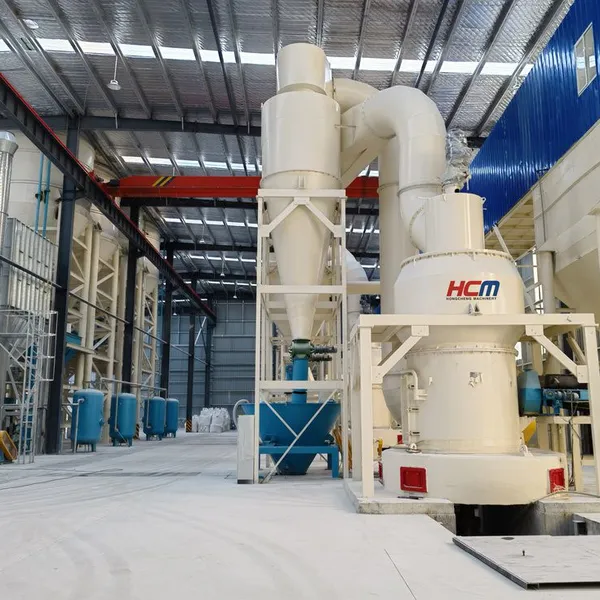
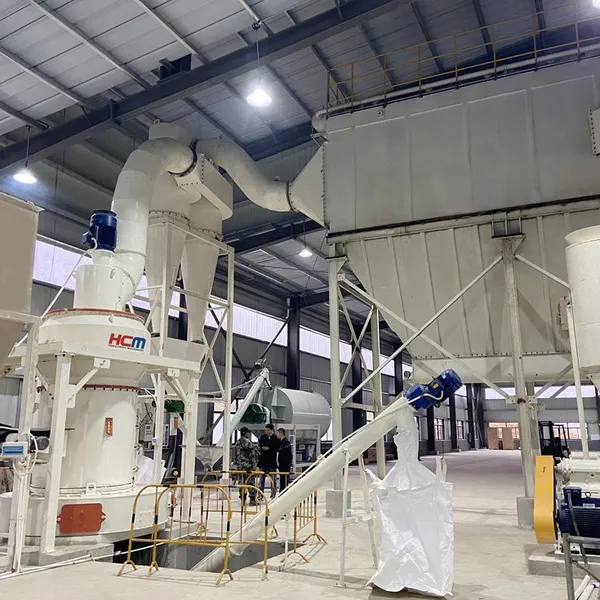
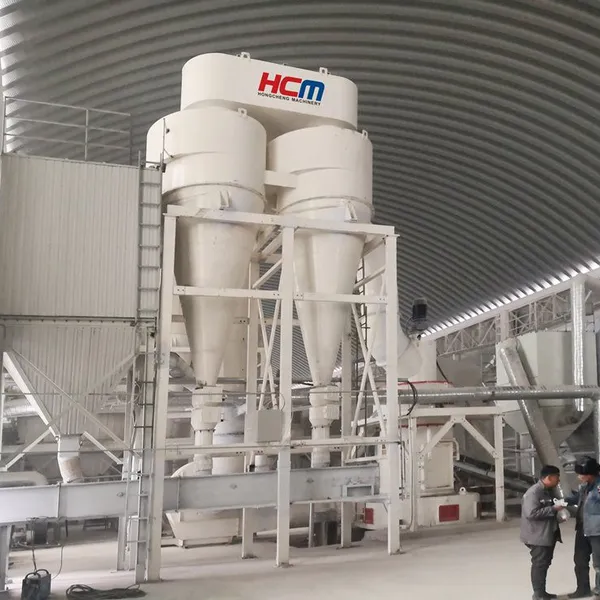
-
China HCM Bentonite Ore Raymond Pulverizer, Professional Ceramic Grade 200 Mesh Bentonite Powder Making Machine, 20 Ton Per Hour Grinding CapacityNegotiableMOQ: 1 Combo
-
6t/h High Output Fluorite Ore Grinder HCM HCH Ring Roller Mill 325 Mesh D95 Fineness Industrial PulverizerNegotiableMOQ: 1 Combo
-
High Efficiency HCM Vertical Mill Bauxite Grinding Plant 44 Ton Per HourNegotiableMOQ: 1 Combo
-
Customized Lepidolite Grinding Production Line 30TPH Vertical Roller Mill for Battery Grade Lithium Mineral ProcessingNegotiableMOQ: 1 Combo
-
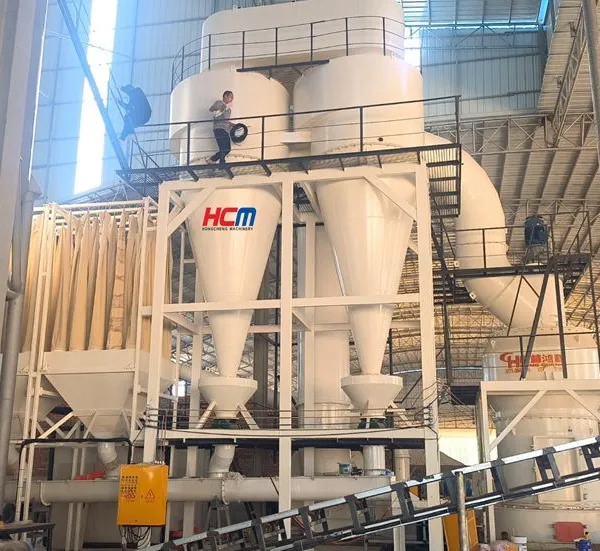
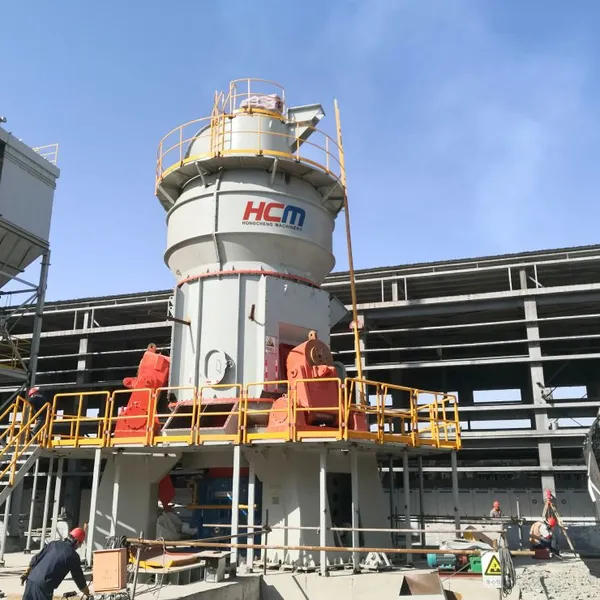
HCM S95-grade Blast Furnace Slag Grinding Mill, Achieving a Fineness of 430 Specific Surface Area With a Production Capacity of 40 T/hNegotiableMOQ: 1 Combo
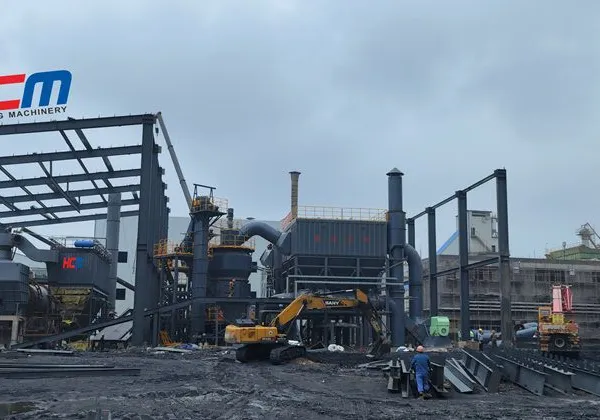
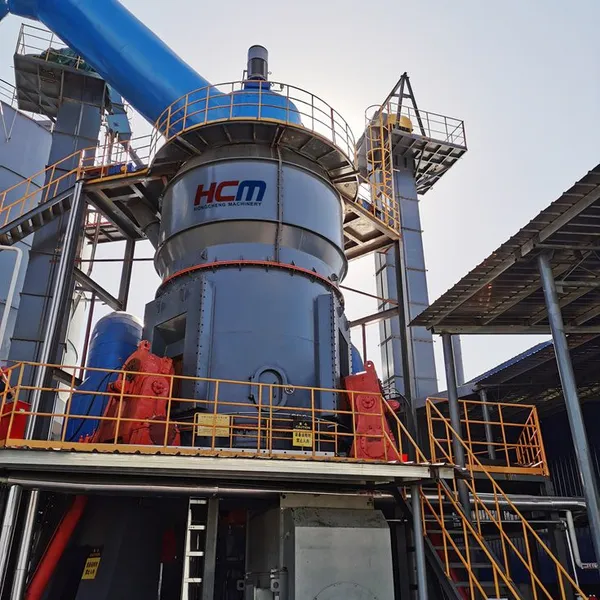
-
HCM Ultrafine Vertical Mill,ultrafine Powder Vertical Mill for Artificial Stone Production LineNegotiableMOQ: 1 Combo
-
Industrial Dolomite Raymond Mill HCM 1300 Energy Saving Fine Grinding Machine for Building Material Filler PowderNegotiableMOQ: 1 Combo
-
HCM Titanium Dioxide Grinding Equipment Manufacturer | 80-3000 Mesh FinenessNegotiableMOQ: 1 Combo
-
HCM Calcined Vanadium Titanium Slag Ultrafine Grinding Equipment | HLM Vertical Mill | 20 TPH CapacityNegotiableMOQ: 1 Combo
-
Bauxite Fine Processing Machine for Refractory/Ceramic/Abrasive | 325-2500 Mesh Powder Making PlantNegotiableMOQ: 1 Combo