
 Business License
Solve Ceramic Crack & Glaze Precipitation: HCM Mill Produces Standard Qualified Bentonite Powder
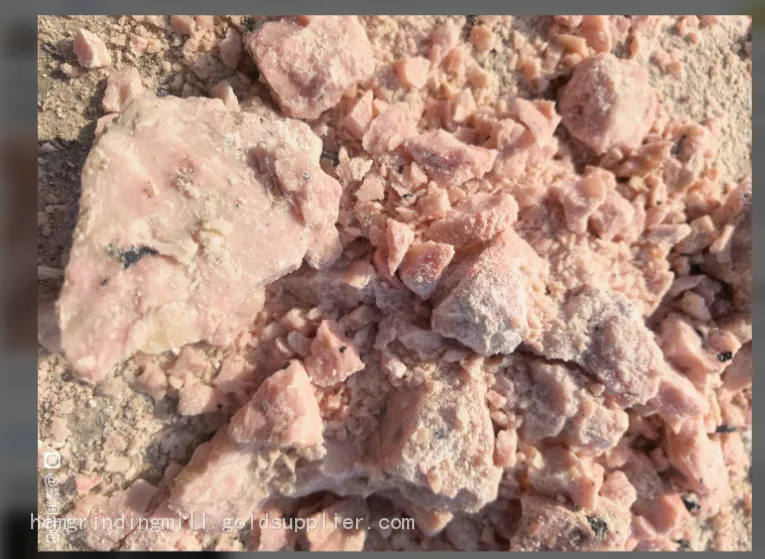
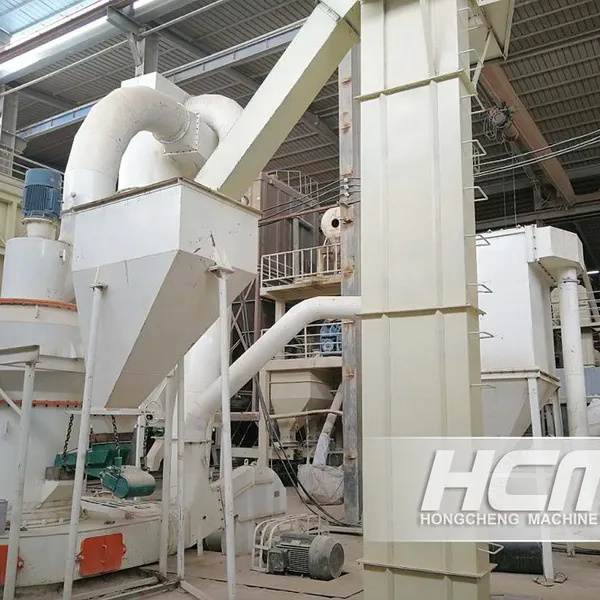
Unqualified bentonite powder causes ceramic blank cracks and glaze precipitation. HCM bentonite Raymond mill stably produces standard 200 mesh ceramic-grade bentonite, preserves natural plasticity, and solves common ceramic production defects to improve finished product yield.
Ceramic cracking and glaze precipitation are two of the most common and costly defects in global ceramic manufacturing. Many ceramic factories and bentonite powder suppliers overlook a key root cause: unqualified bentonite powder fineness, uneven particle size, and damaged montmorillonite plasticity. Low-quality bentonite directly leads to blank cracking during drying and firing, as well as glaze sedimentation, uneven coating, and glossy surface defects, resulting in high rejection rates and huge profit losses. To completely solve these production pain points, more and more ceramic raw material manufacturers choose HCM bentonite Raymond mill to produce standardized, high-purity ceramic-grade bentonite powder, eliminating ceramic quality problems from the source.
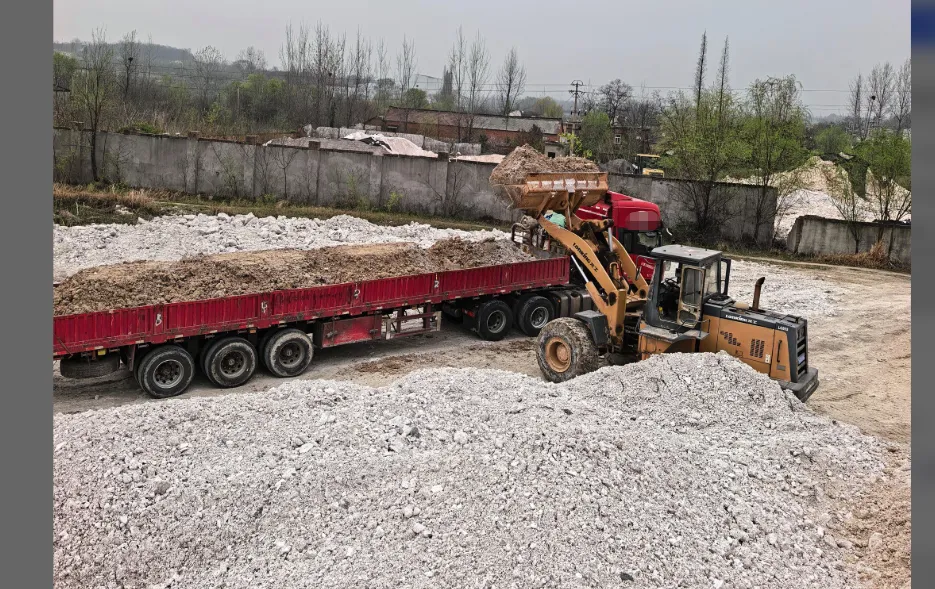
1.How Unqualified Bentonite Triggers Ceramic Cracks & Glaze Precipitation
Ceramic production has extremely strict requirements for bentonite performance, and 200 mesh is the universally recognized standard fineness for daily ceramics, sanitary ware, and building tiles. Traditional R-type Raymond mills have prominent grinding defects that ruin bentonite quality and affect ceramic finished products.
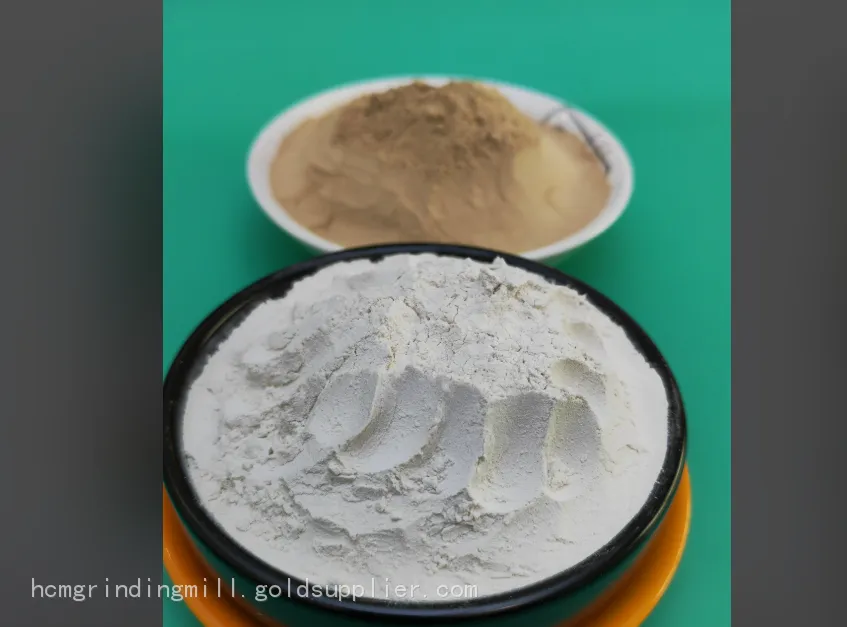
First, traditional equipment features uneven raw material dispersion and unstable grinding accuracy, producing mixed coarse and fine bentonite particles. Overly coarse powder reduces the plasticity and bonding force of ceramic blanks, causing shrinkage cracks during high-temperature sintering. Excessively fine powder leads to excessive water absorption and uneven drying speed, further aggravating blank cracking.
Second, ordinary grinding machines lack precise classification technology, resulting in inconsistent bentonite powder uniformity. When applied to glaze preparation, unstandardized bentonite cannot form a stable suspension system, causing glaze precipitation and layering. This leads to uneven glaze thickness, surface streaks, and poor gloss, greatly reducing ceramic product grade and market competitiveness.
Third, traditional mills easily cause over-grinding, destroying the natural montmorillonite structure of bentonite. The loss of original swelling and plasticity completely fails the functional requirements of ceramic blank plasticizers and glaze suspending agents.
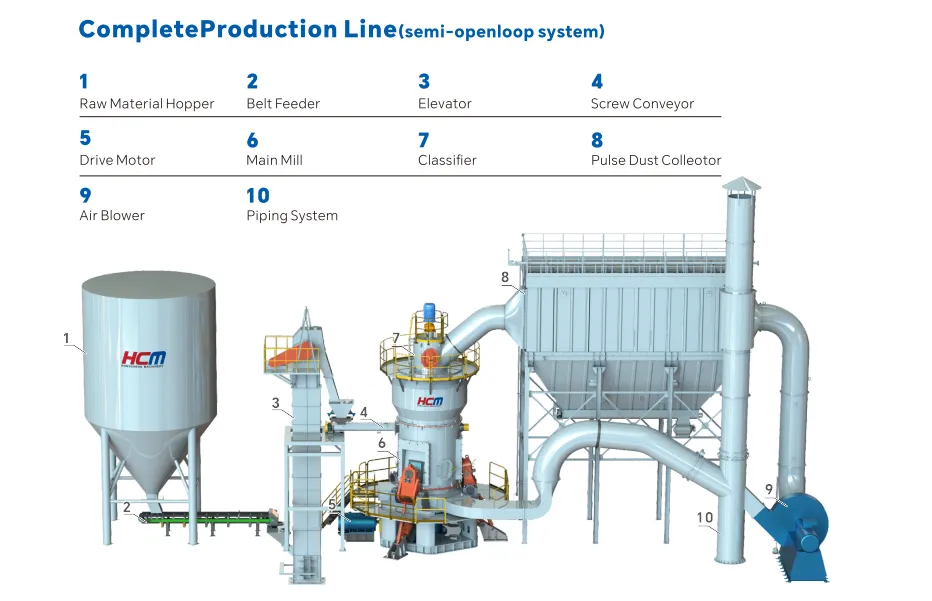
2.Standard Ceramic-Grade Bentonite Produced by HCM Bentonite Grinding Mill
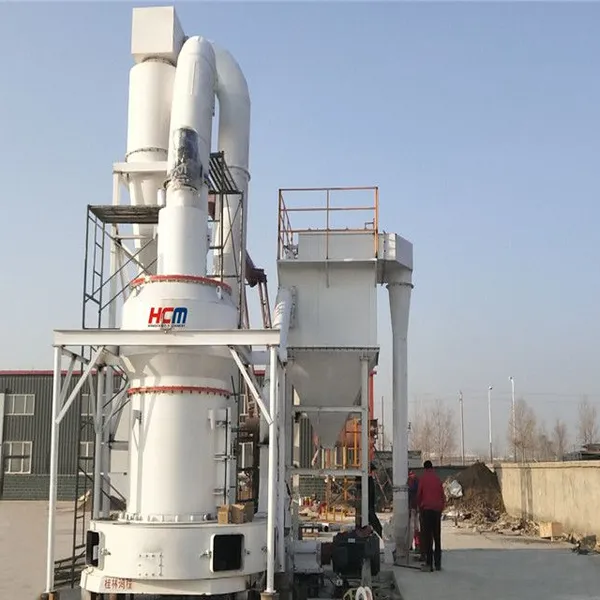
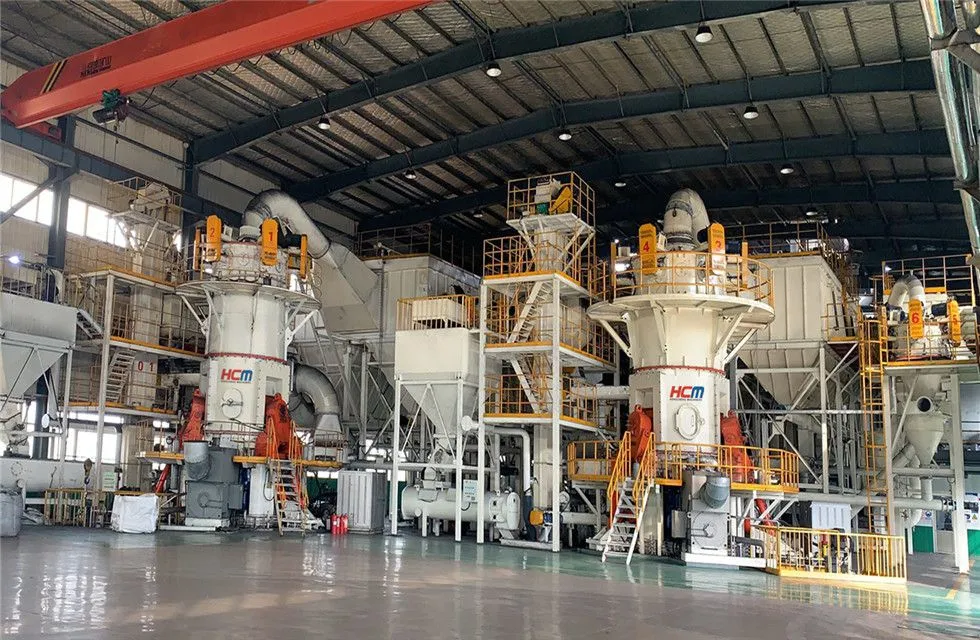
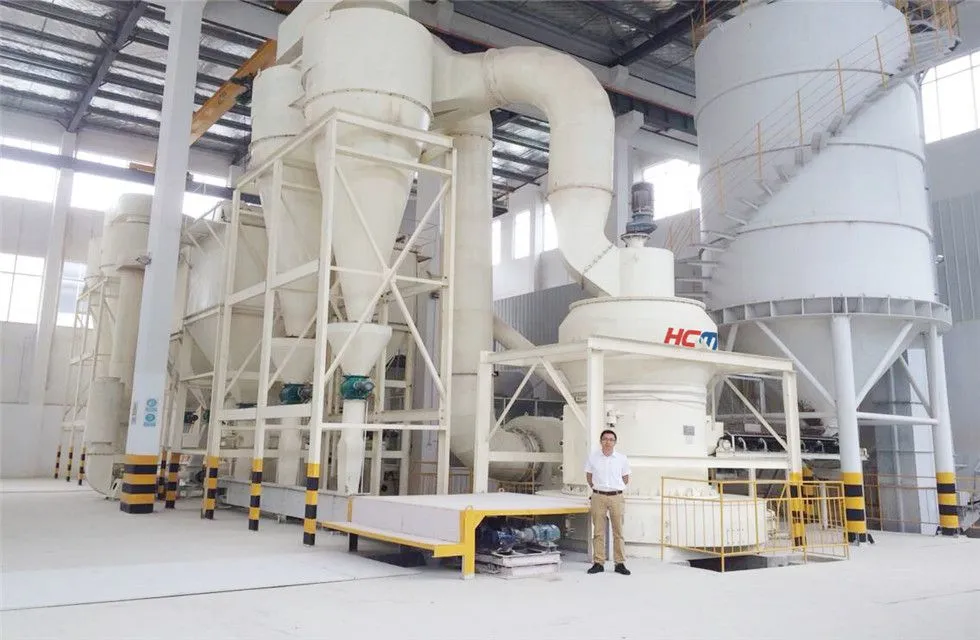
Targeting the above ceramic production pain points, HCM vertical swing bentonite Raymond mill achieves targeted technical upgrades to fully meet ceramic industry bentonite standards and completely solve cracking and glaze precipitation problems.
Different from outdated R-type mills, the HCM bentonite mill adopts a unique longitudinal swing structure and exclusive uniform feeding technology. It disperses bentonite ore evenly in the grinding chamber for sufficient and balanced rolling, avoiding over-grinding and under-grinding. This perfectly retains the natural montmorillonite plasticity and swelling properties of bentonite, providing stable bonding force for ceramic blanks and effective suspension performance for glaze slurry.
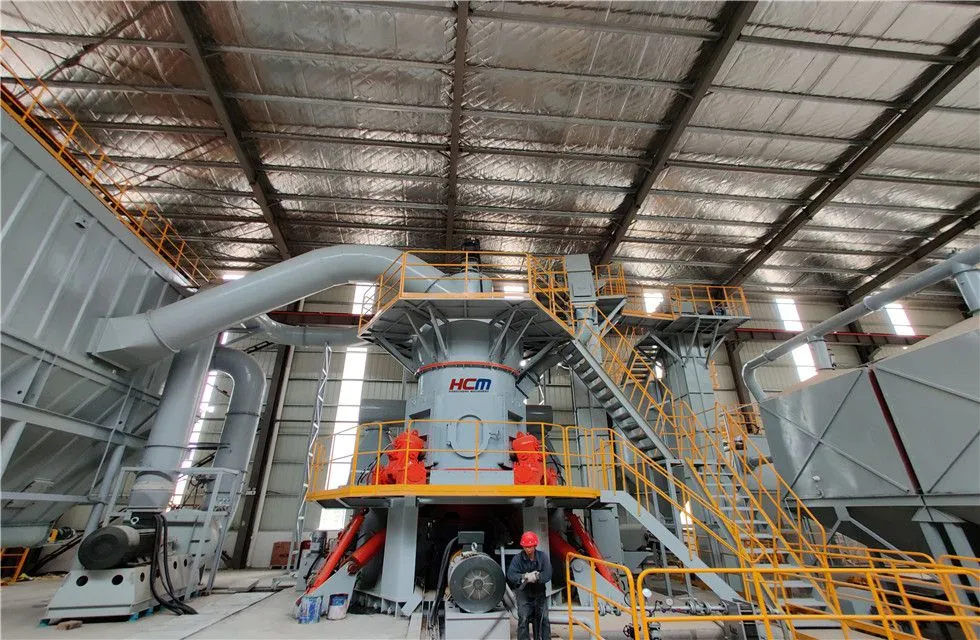
Equipped with a large forced turbo classifier and air seal isolation technology, HCM bentonite pulverizer realizes stable 200 mesh fixed-point output (80–400 mesh stepless adjustable). The finished powder features uniform particle size, no coarse particle mixing, and a 99%+ qualification rate, fully complying with international ceramic bentonite technical specifications. Standardized 200 mesh bentonite powder effectively improves blank compactness, reduces firing shrinkage, and thoroughly solves ceramic cracking issues. Meanwhile, stable powder uniformity maintains glaze slurry balance, permanently eliminating glaze precipitation and layering defects.
In terms of production efficiency, the HCM bentonite grinding machine increases output by more than 40% and reduces power consumption by 30% compared with traditional mills, achieving a stable hourly output of 20 tons. It supports large-scale, continuous, and low-cost production of ceramic-grade bentonite for medium and large ceramic raw material plants.
3.Core Benefits for Global Ceramic Factories
By adopting bentonite powder processed by HCM professional grinding equipment, ceramic manufacturers can significantly reduce product defective rates, improve finished ceramic surface smoothness and yield, and effectively cut raw material waste and production losses. This solution is widely recognized and applied in Vietnam, Indonesia, Thailand, and other major ceramic producing areas in Southeast Asia, becoming the standard processing solution for high-quality ceramic bentonite raw materials.
Ceramic cracking and glaze precipitation are mostly caused by substandard bentonite powder rather than ceramic formulation errors. Abandoning inefficient traditional grinding equipment and upgrading to HCM bentonite Raymond mill is the most direct and cost-effective way to stabilize ceramic product quality, reduce defective rates, and enhance market profitability for ceramic and bentonite processing enterprises.
Recently Posted
-
What Is a Vertical Grinding Mill: Working Principle and Key Components Explained
August 7, 2026In 2019, a limestone processing plant in Southeast Asia purchased what they believed was the right grinding equipment for their ne Read More
 -
Why HC Series Pendulum Mill Solves Severe Vibration Issues of Traditional Raymond Mill
June 10, 2026HCM HC series pendulum mill optimizes traditional Raymond mill structure, cast integrated base, balanced rotary Read More
 -
HCM Vertical Mill: Bauxite Grinding to 325 Mesh for Petroleum Industry
March 20, 2026Introduction: Bauxite & Its Critical Role in Modern Industries Bauxite, also referred to as alumina ore, is a vit Read More
 -
Lime Slag Grinding Machine: Turn Industrial Waste into Valuable Recyclable Resources
March 19, 2026Lime slag is a prevalent industrial solid waste generated across the entire lime production and application lifecycle Read More

Contact Us
Recommended Products
-
 HCM Ultrafine Vertical Roller Mill Produces 1250 Mesh Ultrafine Calcium Carbonate PowderNegotiableMOQ: 1 Combo
 -
China HCM Manufacturer HLM2000 Vertical Coal Mill - 200 Mesh, 28 Ton/HourNegotiableMOQ: 1 Combo
-
10 TPH 180 Mesh Coal Grinding Mill | HC1500 Open Circuit Raymond Mill for Power PlantNegotiableMOQ: 1 Combo
-
HCM China HLM1700 Large Vertical Roller Mill for Water Slag Grinding | 325 Mesh 99% Passing Rate, 10-15t/h OutputNegotiableMOQ: 1 Combo
-
HCM 1850 Raymond Mill for Petroleum Coke | 6 TPH @200 Mesh, 30% Less Power ConsumptionNegotiableMOQ: 1 Combo
-
Low Maintenance Cost China Raymond Mill, Versatile Raymond Roller Mill For Various Non-Metallic OresNegotiableMOQ: 1 Combo
-
Large Industrial Stone Mills - Industrial Powder Grinding Machine | High Efficiency Low Energy Consumption Mill Industrial for Mineral ProcessingNegotiableMOQ: 1 Combo
-
HCM Mill Roller Machine Raymond Roller Mill Roller Mill Equipments 20t/h Limestone Grinder to 200 MeshNegotiableMOQ: 1 Combo
-
HCM HLMX Ultrafine Vertical Mill | 700,000 TPY High-Grade Calcium Carbonate Production LineNegotiableMOQ: 1 Combo
-
The HCM Limestone Ultrafine Powder Processing Equipment, the HLMX Ultrafine Vertical Mill, Can Efficiently Produce Ultrafine Limestone Powder.NegotiableMOQ: 1 Combo
-
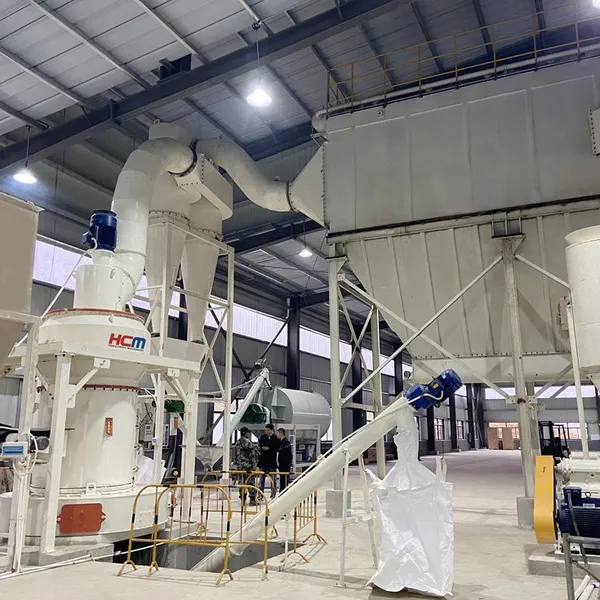
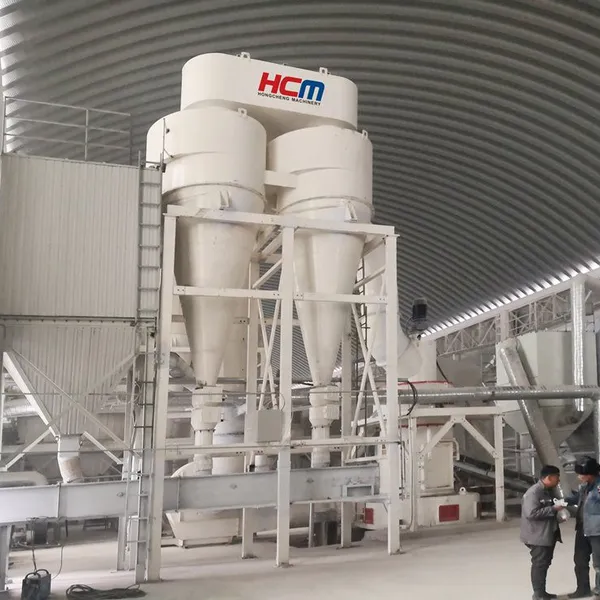
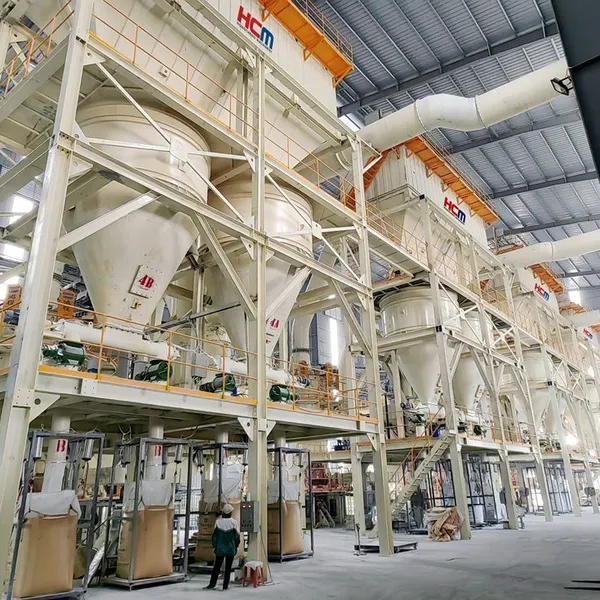
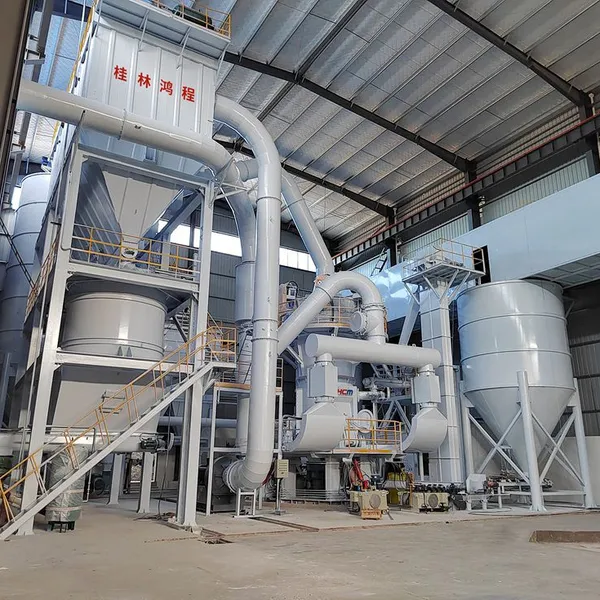
China HCM Bentonite Ore Raymond Pulverizer, Professional Ceramic Grade 200 Mesh Bentonite Powder Making Machine, 20 Ton Per Hour Grinding CapacityNegotiableMOQ: 1 Combo
-
6t/h High Output Fluorite Ore Grinder HCM HCH Ring Roller Mill 325 Mesh D95 Fineness Industrial PulverizerNegotiableMOQ: 1 Combo
-
High Efficiency HCM Vertical Mill Bauxite Grinding Plant 44 Ton Per HourNegotiableMOQ: 1 Combo
-
Customized Lepidolite Grinding Production Line 30TPH Vertical Roller Mill for Battery Grade Lithium Mineral ProcessingNegotiableMOQ: 1 Combo
-
HCM S95-grade Blast Furnace Slag Grinding Mill, Achieving a Fineness of 430 Specific Surface Area With a Production Capacity of 40 T/hNegotiableMOQ: 1 Combo
-
HCM Ultrafine Vertical Mill,ultrafine Powder Vertical Mill for Artificial Stone Production LineNegotiableMOQ: 1 Combo
-
Industrial Dolomite Raymond Mill HCM 1300 Energy Saving Fine Grinding Machine for Building Material Filler PowderNegotiableMOQ: 1 Combo
-
HCM Titanium Dioxide Grinding Equipment Manufacturer | 80-3000 Mesh FinenessNegotiableMOQ: 1 Combo
-
HCM Calcined Vanadium Titanium Slag Ultrafine Grinding Equipment | HLM Vertical Mill | 20 TPH CapacityNegotiableMOQ: 1 Combo
-
Bauxite Fine Processing Machine for Refractory/Ceramic/Abrasive | 325-2500 Mesh Powder Making PlantNegotiableMOQ: 1 Combo