
 Business License
Blog Categories
Vertical Grinding Mill Technical Specifications: Capacity, Power, Feed Size, and Product Fineness
A while back, a plant engineer in South America was evaluating two vertical mill quotations from different suppliers. Both machines claimed 20 tons per hour of limestone powder at 325 mesh. Only when the engineer compared the full specification tables — motor power, table diameter, classifier type, and auxiliary equipment — did the real difference emerge: one quotation included a dynamic classifier and a complete gas circuit, while the other required them as "optional extras" that added nearly 20 percent to the final price.
Reading a vertical grinding mill specification sheet correctly is a skill. The headline numbers — throughput and fineness — are only meaningful in the context of the machine's complete technical configuration. This article explains every major specification category, what the numbers mean, and which ones deserve the most scrutiny.
1. Understanding Mill Sizing Nomenclature
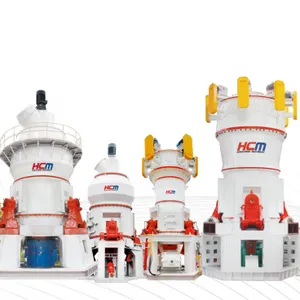
Vertical grinding mills are usually identified by model numbers that reference the grinding table diameter, often expressed in decimeters or a similar unit. A model number containing "17" typically indicates a table diameter of roughly 1.7 meters. This single dimension is the most important indicator of machine scale, because it determines the grinding area available and, in turn, the practical throughput envelope.
The table below shows a representative model range and its headline specifications. Actual values vary by manufacturer and configuration.
| Model (Table Dia.) | Main Motor (kW) | Throughput (t/h) | Typical Fineness | Max Feed Size (mm) |
|---|---|---|---|---|
| 1.4 m | 75 – 132 | 3 – 8 | 200 – 400 mesh | 40 |
| 1.7 m | 160 – 250 | 8 – 15 | 200 – 400 mesh | 50 |
| 2.1 m | 315 – 450 | 15 – 30 | 200 – 500 mesh | 60 |
| 2.4 m | 500 – 710 | 25 – 45 | 200 – 500 mesh | 70 |
| 2.8 m | 800 – 1,000 | 40 – 60 | 200 – 500 mesh | 80 |
Model numbers and power ratings differ between manufacturers, so quotations should always be compared on a like-for-like basis: same table diameter, same motor power, same duty material, and same target fineness.
2. Throughput: The Capacity Specification
Throughput is stated in tons per hour, but the number is meaningless without the duty definition that accompanies it. A responsible quotation specifies throughput for a named material, a named feed size, and a named product fineness. The same mill that produces 20 tons per hour of soft limestone at 200 mesh might produce only 8 tons per hour of quartz at 400 mesh.
Three material properties drive the difference. The Bond Work Index measures how much energy is required to reduce the material; harder materials with higher index values consume more grinding energy per ton. Feed moisture affects both grinding efficiency and the drying load on the gas system. Abrasiveness determines how much of the available grinding capacity is consumed by wear management rather than size reduction.
Buyers should ask suppliers to state throughput for their actual material, verified by a test grinding run on a sample, rather than accepting catalogue figures based on favorable assumptions.
Suppliers that offer test grinding on the buyer's actual material produce the most reliable capacity figures. Guilin Hongcheng Mining Equipment Manufacturing Co., Ltd. operates a test grinding service where a material sample is processed to the target fineness, generating both a throughput figure and a wear data estimate that the quotation can reference directly.
3. Motor Power and Specific Energy
The main motor rating — typically 75 to 1,000 kW depending on model — sets the total grinding energy available. A useful derived figure is specific energy consumption: kilowatt-hours per ton of product. For a vertical mill grinding medium-hard minerals to 200 to 400 mesh, specific energy typically falls between 18 and 30 kWh per ton, roughly 30 to 40 percent below a ball mill for the same duty.
Power is consumed by several subsystems, not only the grinding table drive. The classifier motor, the main fan, the hydraulic pump, and the lubrication system each draw significant load. A complete quotation should state the total installed power — the sum of all motors — because this determines the electrical infrastructure the buyer must provide, including transformers and switchgear.
Efficiency claims deserve scrutiny. Compare the installed power per ton of throughput across quotations; a machine that achieves the same throughput with lower installed power is genuinely more efficient, provided the auxiliary equipment is also specified.
4. Feed Size and Crushing Requirements
Maximum feed size for a vertical mill typically ranges from 40 to 80 millimeters depending on model. This is one of the machine type's advantages: a vertical mill can accept material directly from a jaw crusher, eliminating an intermediate crushing stage. The feed system — a rotary airlock or screw feeder — must handle the maximum lump size without bridging.
The maximum feed size interacts with the retention ring and the nozzle ring geometry. Oversized feed can block the nozzle ring or cause unstable bed formation. Suppliers state a maximum feed size for a reason; exceeding it reliably reduces throughput and increases vibration risk.
Feed moisture capability is a second feed-related specification. Standard vertical mills with a hot gas system handle up to roughly 15 percent moisture; configurations with extended drying chambers can reach 20 percent. If the feedstock moisture varies seasonally, the gas system capacity must be sized for the worst case.
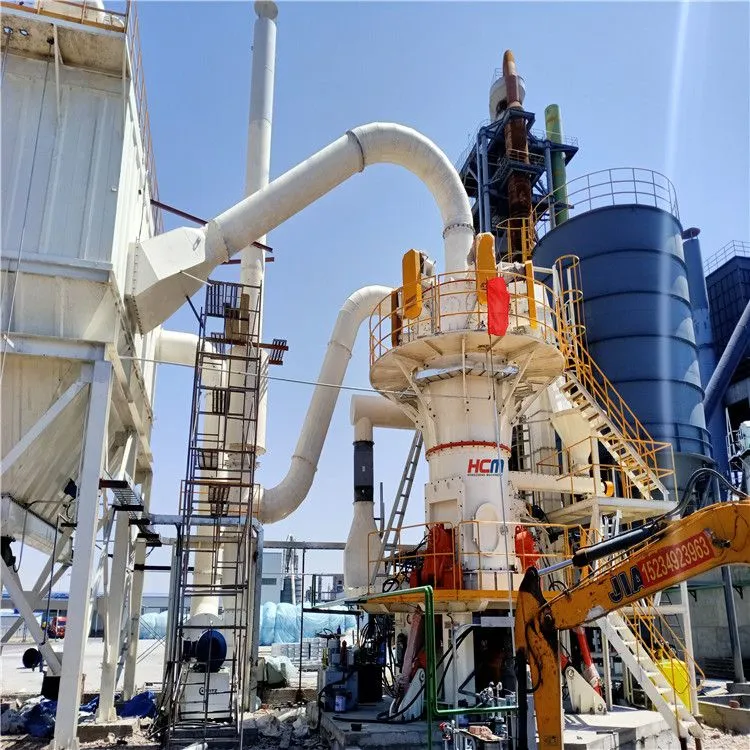
5. Product Fineness and Classification
Product fineness is specified in mesh, microns, or both — typically as D90 or D97 values. The classifier determines what the mill can achieve. A dynamic classifier with a variable-speed rotor covers a fineness range of roughly 200 to 500 mesh for a standard vertical mill; multi-rotor configurations extend this to 600 to 1,250 mesh or beyond on ultra-fine machines.
The table below summarizes the relationship between classifier configuration and achievable fineness.
| Classifier Configuration | Fineness Range | Typical Use |
|---|---|---|
| Static classifier | 80 – 200 mesh | Coarse products, low cost |
| Single dynamic rotor | 200 – 500 mesh | Standard mineral powders |
| Multi-rotor classifier | 600 – 1,250 mesh | Ultra-fine powders |
| Multi-rotor + secondary classification | 1,250 – 2,500 mesh | Specialty filler and coating grades |
Fineness specifications should include the distribution metric, not just the median. Two mills can both quote "325 mesh" while producing different distributions; the one with the tighter distribution delivers more consistent downstream performance.
6. Auxiliary Systems in the Specification
A vertical mill is a system, and the auxiliary equipment list is as important as the mill itself. The main fan provides the gas flow for classification and material transport. The bag filter collects finished product and controls emissions; its filtration area determines the maximum gas flow it can handle at the required emission level. The hydraulic system provides grinding pressure and must be sized to maintain pressure stability during feed fluctuations.
The specification table below lists the auxiliary systems that should appear in any complete quotation.
| System | Function | Key Specification |
|---|---|---|
| Main fan | Gas flow for classification | Flow rate (m³/h), pressure, motor power |
| Bag filter | Product collection and emission control | Filtration area, emission limit (mg/Nm³) |
| Hot gas system | Drying in the grinding pass | Heat source, max inlet temperature |
| Hydraulic system | Roller grinding pressure | Max pressure (bar), pump power |
| Lubrication system | Gearbox and bearing lubrication | Oil type, flow, cooling capacity |
| Control system | PLC automation and monitoring | I/O points, HMI, remote access |
Buyers should verify that the bag filter area and fan capacity are matched to the mill's maximum gas flow. An undersized bag filter is a common source of production bottlenecks that appears only after commissioning.
7. Physical Dimensions and Site Requirements
The mill footprint, height, and weight determine the civil works required. A vertical mill is tall — the mill body, classifier, and ducting can reach 15 to 25 meters above the foundation. Foundation design must account for dynamic loads: the mill transmits vibration to the foundation, and the foundation must be designed in coordination with the supplier's load data.
Clearance requirements include access for maintenance — space to remove the classifier rotor, change rollers, and service the gearbox. A common planning error is designing the building around the mill dimensions while forgetting maintenance access. The quotation should include overall dimensions and the recommended maintenance clearances.
Electrical requirements are equally concrete: the supply voltage and frequency (50 Hz or 60 Hz), the total connected load, and the control system's requirements. These details determine transformer sizing and switchgear configuration on the buyer's side.
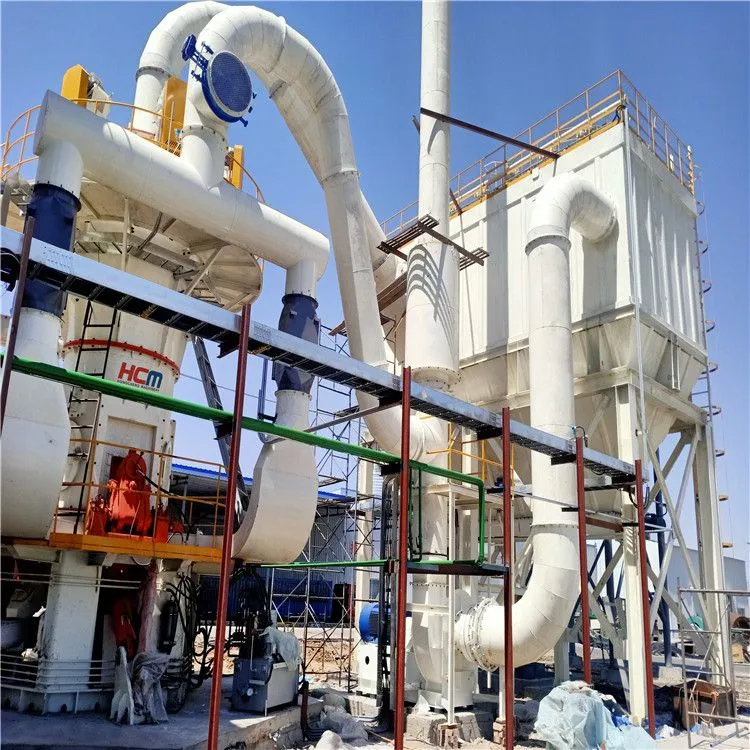
Site planning should also account for the product collection system's height and the ducting route between the mill, bag filter, and fan. A common layout places the bag filter above the product silo, with the fan on the mill's air outlet. Getting this layout right at the design stage avoids expensive rework during installation, so buyers should request a general arrangement drawing with the quotation.
Not long ago, a mid-sized gypsum processor in North Africa ordered a 1.4-meter table mill after a test grinding run on its own material. The tested throughput figure proved accurate in the first full production week, and the plant later standardized its specification review on sample-based data.
8. Reading a Quotation: What to Verify Before Signing
The specification review checklist below condenses this article into actionable verification points.
| Check | Why It Matters |
|---|---|
| Duty definition accompanies throughput | Throughput without material/fineness is meaningless |
| Total installed power stated | Determines electrical infrastructure cost |
| Classifier type specified | Sets the achievable fineness range |
| Auxiliary systems itemized | Prevents "optional extras" price escalation |
| Bag filter and fan matched to gas flow | Avoids post-commissioning bottlenecks |
| Foundation load data provided | Enables civil works design |
| Test grinding on actual material offered | Verifies throughput for your specific feed |
Guilin Hongcheng Mining Equipment Manufacturing Co., Ltd. provides full specification documentation with every quotation, including test grinding reports on customer material samples, foundation load data, and auxiliary equipment schedules. The company's engineers review the specification together with the buyer before the order is finalized, so that the machine that ships matches the machine that was quoted.
9. Maintenance and Spare Parts Specifications
Maintenance planning starts with the wear parts. The two dominant wear items on a vertical mill are the grinding rollers and the table segments. For medium-hard minerals, roller and segment life typically ranges from 6,000 to 12,000 operating hours, and the segmented designs now standard on modern mills allow partial replacement of worn segments rather than full assemblies. Hongcheng supplies a recommended spare parts schedule with every quotation so that maintenance budgeting starts from documented figures.
A complete quotation should include a recommended spare parts list with quantities: one set of rollers or segments, classifier blades, hydraulic seals, and a set of gaskets and fasteners. Holding this inventory covers roughly 90 percent of unplanned downtime scenarios, and the list also reveals how much after-sales dependency the buyer is accepting.
Lubrication specifications deserve particular attention. The gearbox typically requires a specific oil grade with a stated viscosity and change interval — commonly 8,000 to 12,000 hours. The hydraulic system uses a separate oil specification. Using the wrong oil is a leading cause of premature gearbox failure, so the specification sheet should state both oils by name and grade.
Planned maintenance intervals follow operating hours. Daily checks cover hydraulic pressure and lubrication levels; weekly inspection covers roller and table wear patterns; monthly verification covers classifier blades and gas duct integrity. These routines should be documented in the operation and maintenance manual delivered with the mill.
10. Frequently Asked Questions
10.1 What does the model number of a vertical mill mean?
Model numbers typically reference the grinding table diameter — for example, a model containing "17" indicates a table diameter of roughly 1.7 meters. The table diameter determines the grinding area and the practical throughput envelope. Always compare quotations on the same model basis, including motor power and auxiliary equipment.
10.2 What is a realistic specific energy consumption for a vertical mill?
For medium-hard minerals ground to 200 to 400 mesh, a vertical mill typically consumes 18 to 30 kWh per ton, roughly 30 to 40 percent below a ball mill for the same duty. Actual values depend on material hardness, moisture, target fineness, and classifier configuration. Ask the supplier to state specific energy for your material and grade.
10.3 Can a vertical mill handle feed sizes above 80 mm?
Most standard vertical mills specify a maximum feed size of 40 to 80 millimeters depending on model. Exceeding the stated limit risks nozzle ring blockage, unstable bed formation, and vibration. If your feed is coarser, install a primary crusher upstream to reduce the material to within the mill's specified range.
10.4 Why is the classifier configuration so important in a specification?
The classifier determines the achievable fineness range and distribution tightness. A static classifier reaches roughly 80 to 200 mesh; a single dynamic rotor reaches 200 to 500 mesh; multi-rotor configurations extend to 1,250 mesh and beyond. Since fineness range defines which markets the product can serve, the classifier specification should match the plant's product plan.
Recently Posted
-
Vertical Roller Mill vs Ball Mill: A Practical Comparison for Mineral Grinding
September 3, 2026Some time ago, a cement additives plant in South Asia replaced its two ball mills with a single vertical roller mill. The stated r Read More
 -
Raymond Mill Explained: How Pendulum Grinding Technology Powers Industrial Mineral Processing
September 2, 2026Not long ago, a mineral powder plant in Southeast Asia faced a common dilemma. The operation needed to expand its production of 32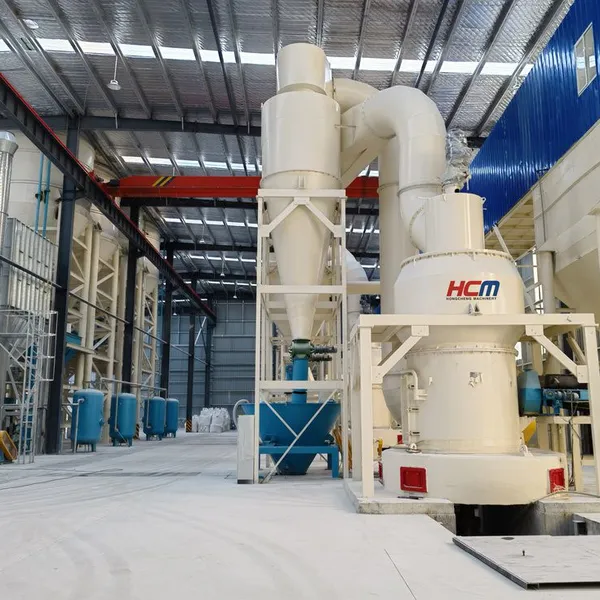 Read More
 -
HCM Raymond Mill Foundation and Piping Installation Guide — Avoid Vibration, Powder Leakage & Materi
August 26, 2026Up to 80% of frequent Raymond mill failures stem from non-standard installation, especially poor foundation construc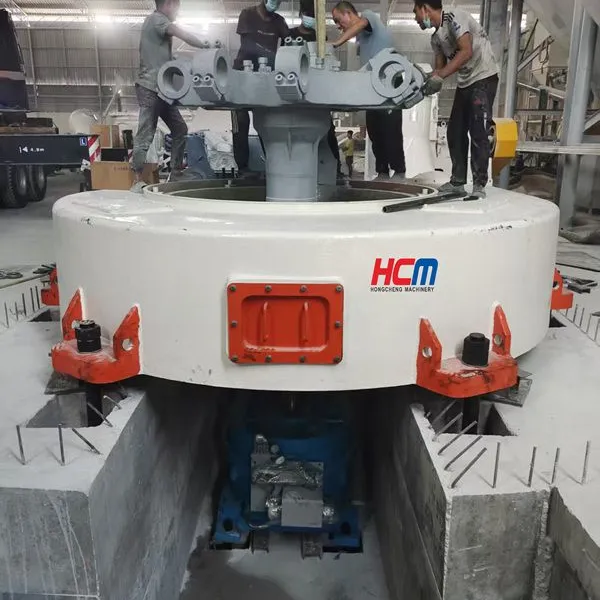 Read More
 -
Grinding Mill Quality Control: From Incoming Material Inspection to Factory Acceptance Testing
August 13, 2026In 2020, a grinding mill was shipped from a factory in Asia to a mineral processing plant in South America. The mill had passed a Read More

Contact Us
Recommended Products
-
 HCM Ultrafine Vertical Roller Mill Produces 1250 Mesh Ultrafine Calcium Carbonate PowderNegotiableMOQ: 1 Combo
 -
China HCM Manufacturer HLM2000 Vertical Coal Mill - 200 Mesh, 28 Ton/HourNegotiableMOQ: 1 Combo
-
10 TPH 180 Mesh Coal Grinding Mill | HC1500 Open Circuit Raymond Mill for Power PlantNegotiableMOQ: 1 Combo
-
HCM China HLM1700 Large Vertical Roller Mill for Water Slag Grinding | 325 Mesh 99% Passing Rate, 10-15t/h OutputNegotiableMOQ: 1 Combo
-
HCM 1850 Raymond Mill for Petroleum Coke | 6 TPH @200 Mesh, 30% Less Power ConsumptionNegotiableMOQ: 1 Combo
-
Large Output HCM HLMX Superfine Vertical Mill 16t/h for 800 mesh Calcium Carbonate Filler PowderNegotiableMOQ: 1 Combo
-
HCM Vertical Mill for Ultra Fine Mineral Powder Dolomite Milling Machine for Plastic Modification MaterialsNegotiableMOQ: 1 Combo
-
Low Maintenance Cost China Raymond Mill, Versatile Raymond Roller Mill For Various Non-Metallic OresNegotiableMOQ: 1 Combo
-
Large Industrial Stone Mills - Industrial Powder Grinding Machine | High Efficiency Low Energy Consumption Mill Industrial for Mineral ProcessingNegotiableMOQ: 1 Combo
-
HCM Mill Roller Machine Raymond Roller Mill Roller Mill Equipments 20t/h Limestone Grinder to 200 MeshNegotiableMOQ: 1 Combo
-
HCM HLMX Ultrafine Vertical Mill | 700,000 TPY High-Grade Calcium Carbonate Production LineNegotiableMOQ: 1 Combo
-
The HCM Limestone Ultrafine Powder Processing Equipment, the HLMX Ultrafine Vertical Mill, Can Efficiently Produce Ultrafine Limestone Powder.NegotiableMOQ: 1 Combo
-
China HCM Bentonite Ore Raymond Pulverizer, Professional Ceramic Grade 200 Mesh Bentonite Powder Making Machine, 20 Ton Per Hour Grinding CapacityNegotiableMOQ: 1 Combo
-
6t/h High Output Fluorite Ore Grinder HCM HCH Ring Roller Mill 325 Mesh D95 Fineness Industrial PulverizerNegotiableMOQ: 1 Combo
-
High Efficiency HCM Vertical Mill Bauxite Grinding Plant 44 Ton Per HourNegotiableMOQ: 1 Combo
-
Customized Lepidolite Grinding Production Line 30TPH Vertical Roller Mill for Battery Grade Lithium Mineral ProcessingNegotiableMOQ: 1 Combo
-
HCM S95-grade Blast Furnace Slag Grinding Mill, Achieving a Fineness of 430 Specific Surface Area With a Production Capacity of 40 T/hNegotiableMOQ: 1 Combo
-
HCM Ultrafine Vertical Mill,ultrafine Powder Vertical Mill for Artificial Stone Production LineNegotiableMOQ: 1 Combo
-
Industrial Dolomite Raymond Mill HCM 1300 Energy Saving Fine Grinding Machine for Building Material Filler PowderNegotiableMOQ: 1 Combo
-
HCM Titanium Dioxide Grinding Equipment Manufacturer | 80-3000 Mesh FinenessNegotiableMOQ: 1 Combo